Some photographers spend weeks reading manuals, watching tutorials, and practicing in their backyard before taking a camera into the field.
I did the opposite.
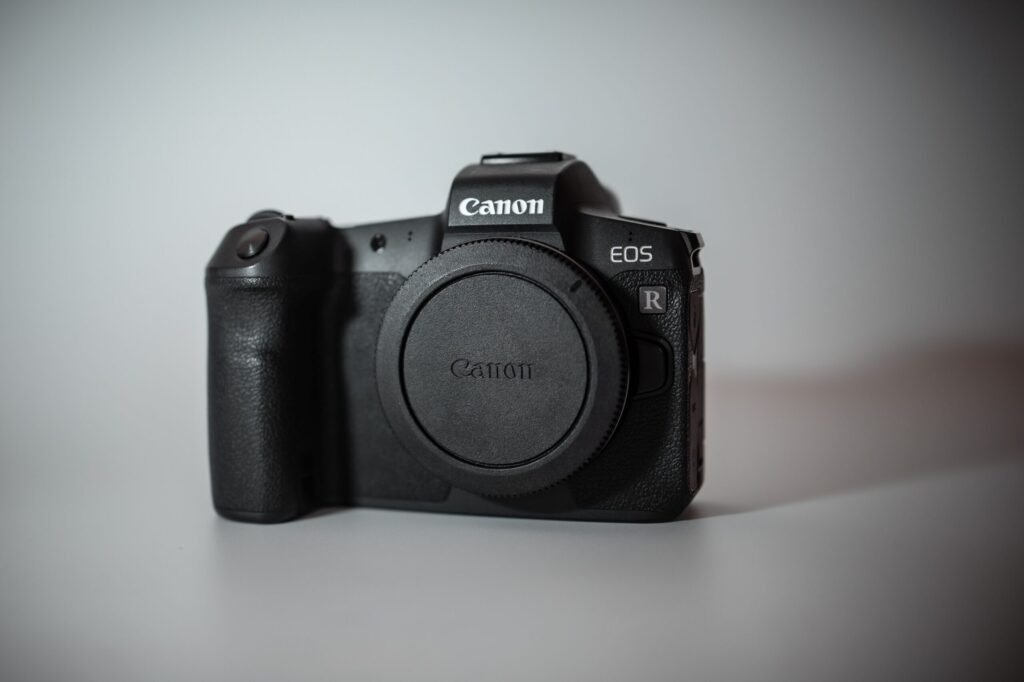
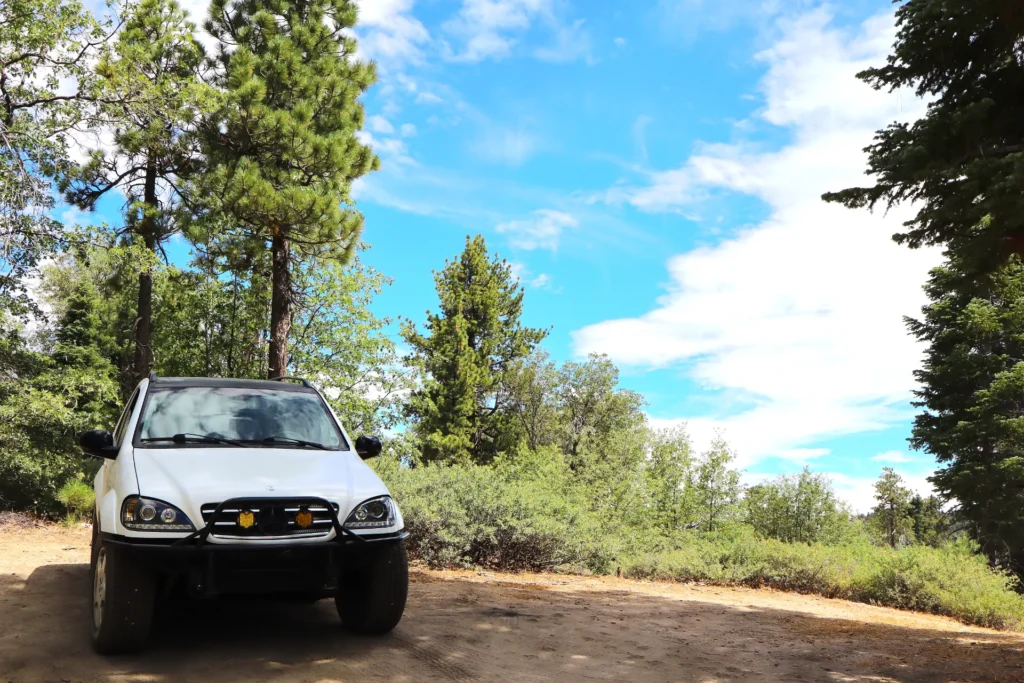
Just before our Fourth of July trip to Big Bear National Forest, I picked up my first mirrorless camera—the Canon EOS R100—and threw it into the truck with the rest of our camping gear. There wasn’t much time to experiment before leaving, so I figured I’d learn as I went.
Looking back, that may not have been the smartest plan.
It was, however, one of the best learning experiences I could have asked for.
A Camera Put to the Test
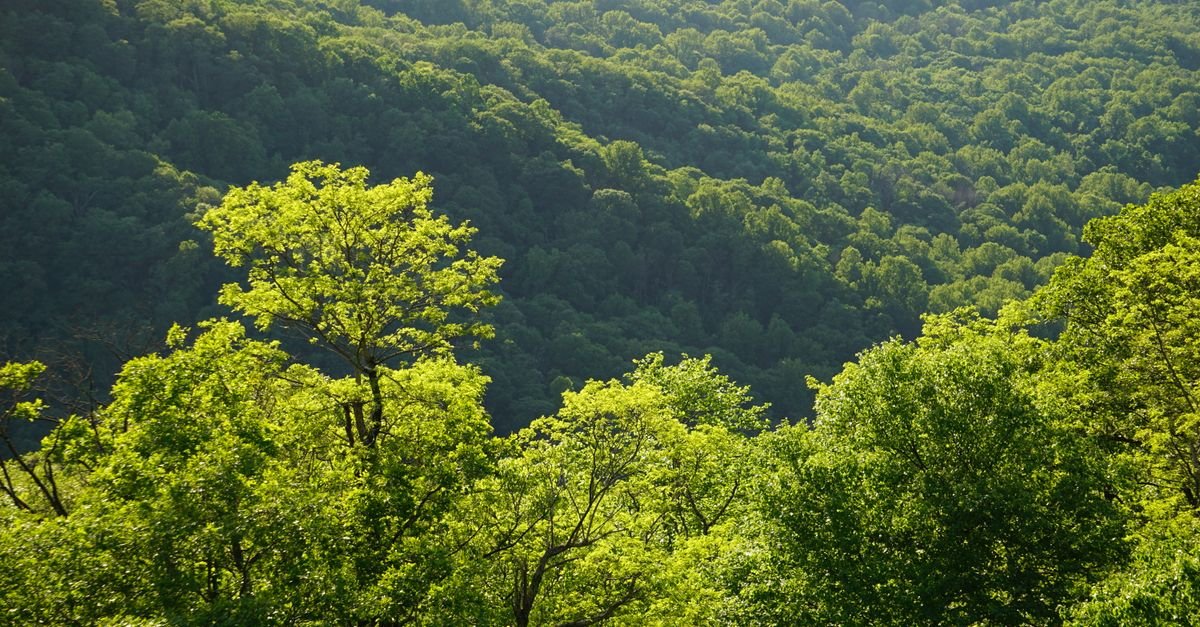
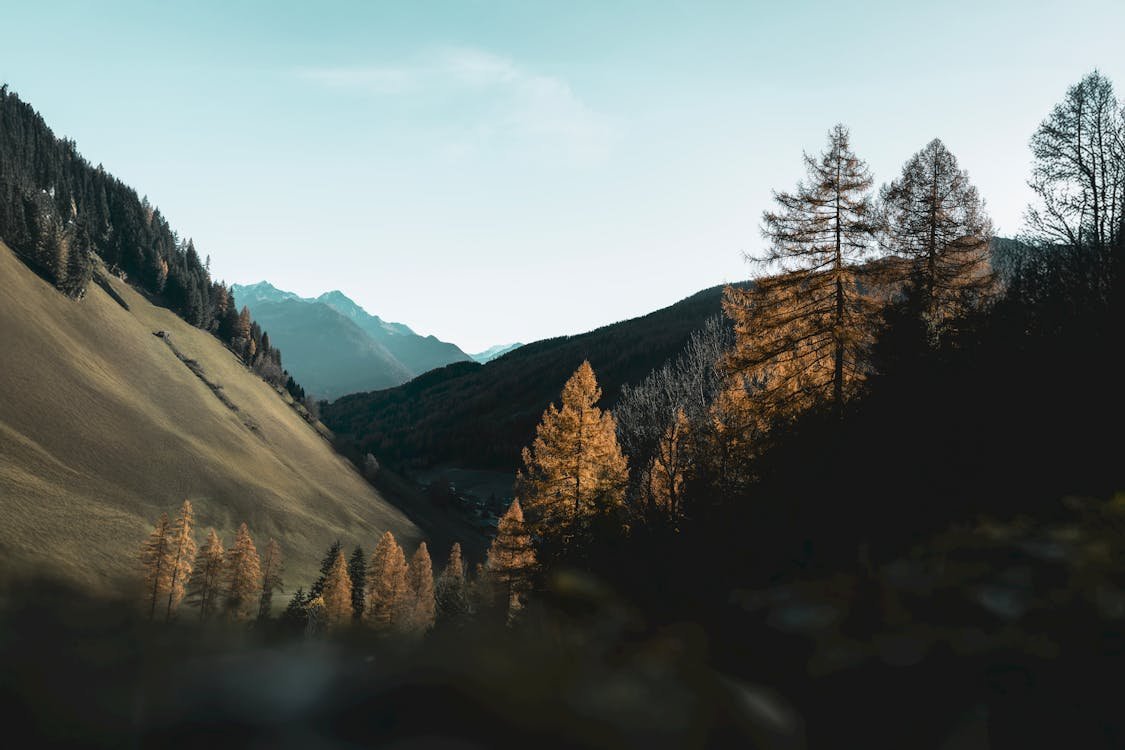
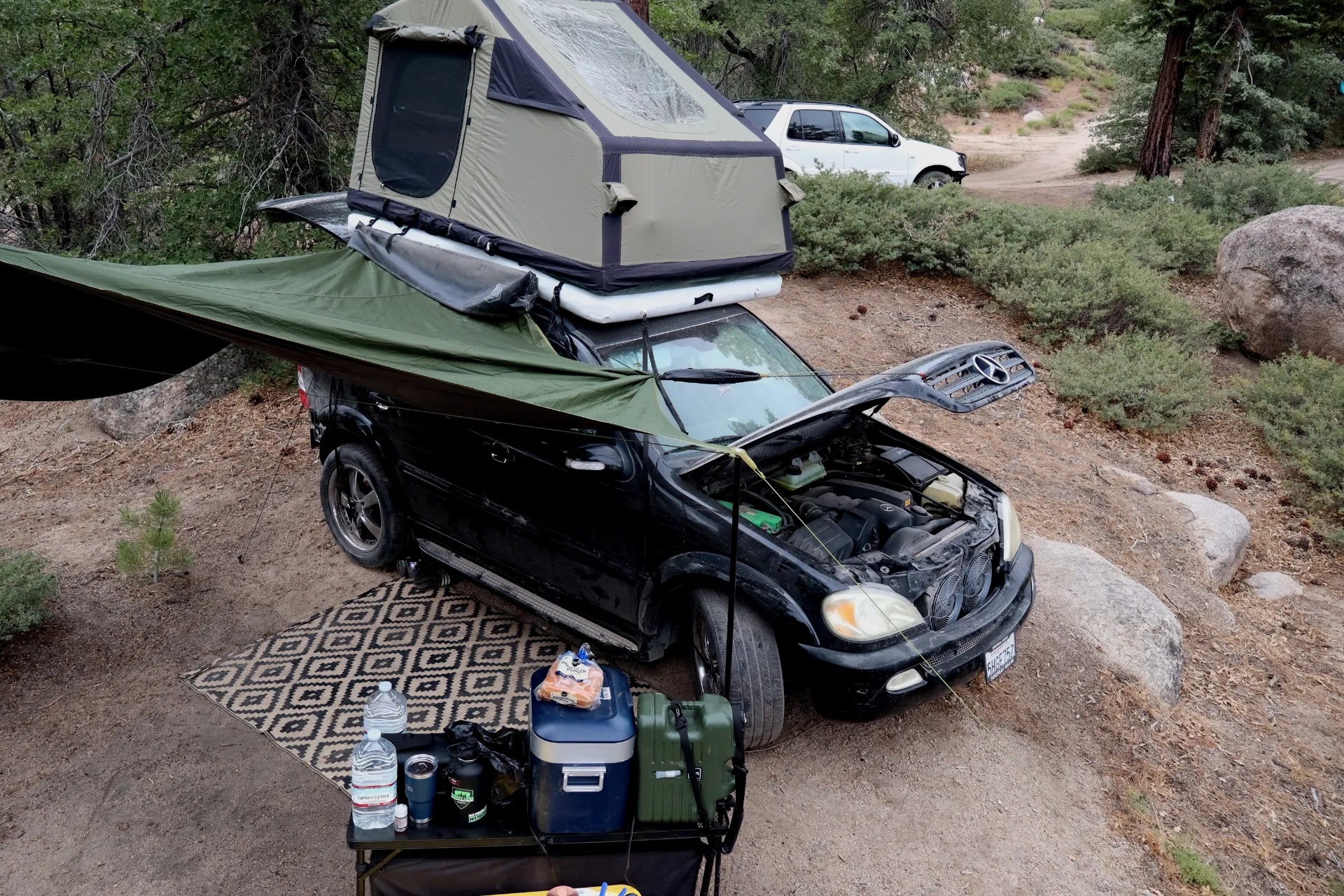
Rather than spending my first day photographing around the neighborhood, my introduction to the R100 happened surrounded by towering pines, forest roads, mountain scenery, and campfires.
In many ways, Big Bear became a test lab.
I wasn’t trying to create a professional portfolio.
I simply wanted to document our adventure while learning how this new camera behaved in real-world conditions.
The Biggest Mistake
Almost every photographer remembers the first mistake that teaches them an important lesson.
Mine was surprisingly simple.
I photographed the entire trip in JPEG.
At the time, I didn’t fully understand the advantages of shooting RAW or how much flexibility it provides during editing. By the time I realized what I’d done, the trip was over.
While the JPEG files turned out better than I expected, there were several photos where I wished I could recover highlights, brighten shadows, or fine-tune colors beyond what the compressed files allowed.
Lesson learned.
Every trip since then has started with one important check before taking the first photo:
Make sure the camera is shooting RAW.
Learning One Setting at a Time
Photography has a way of humbling you.
Before this trip, I also hadn’t figured out the camera’s video settings.
Instead of getting frustrated trying to learn everything at once, I focused on still photography and accepted that video would come later.
Looking back, I’m glad I did.
Trying to master every feature during a family camping trip would have meant spending more time looking at menus than enjoying the forest around me.
The camera wasn’t the priority.
The experience was.
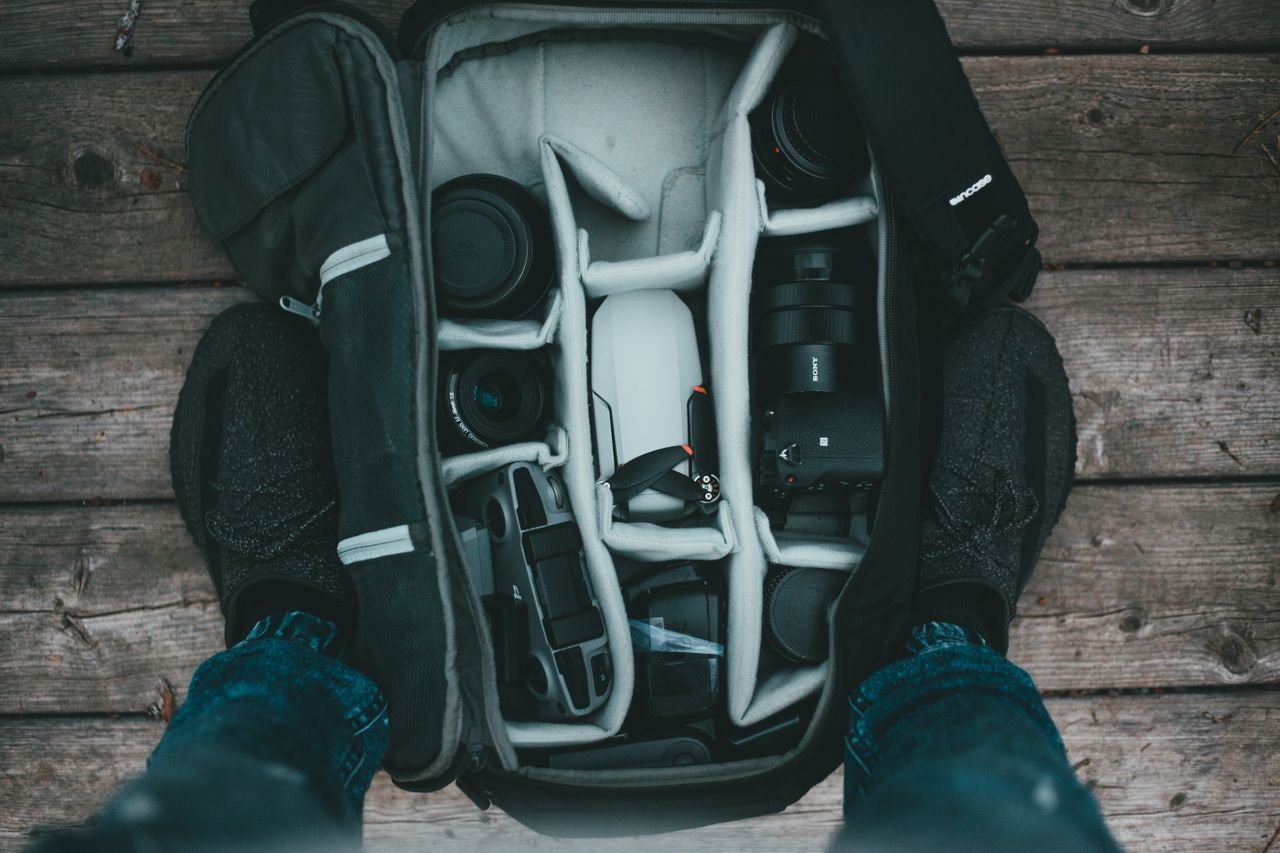
My Simple Camera Kit
One thing I appreciated throughout the trip was how lightweight the entire setup remained.
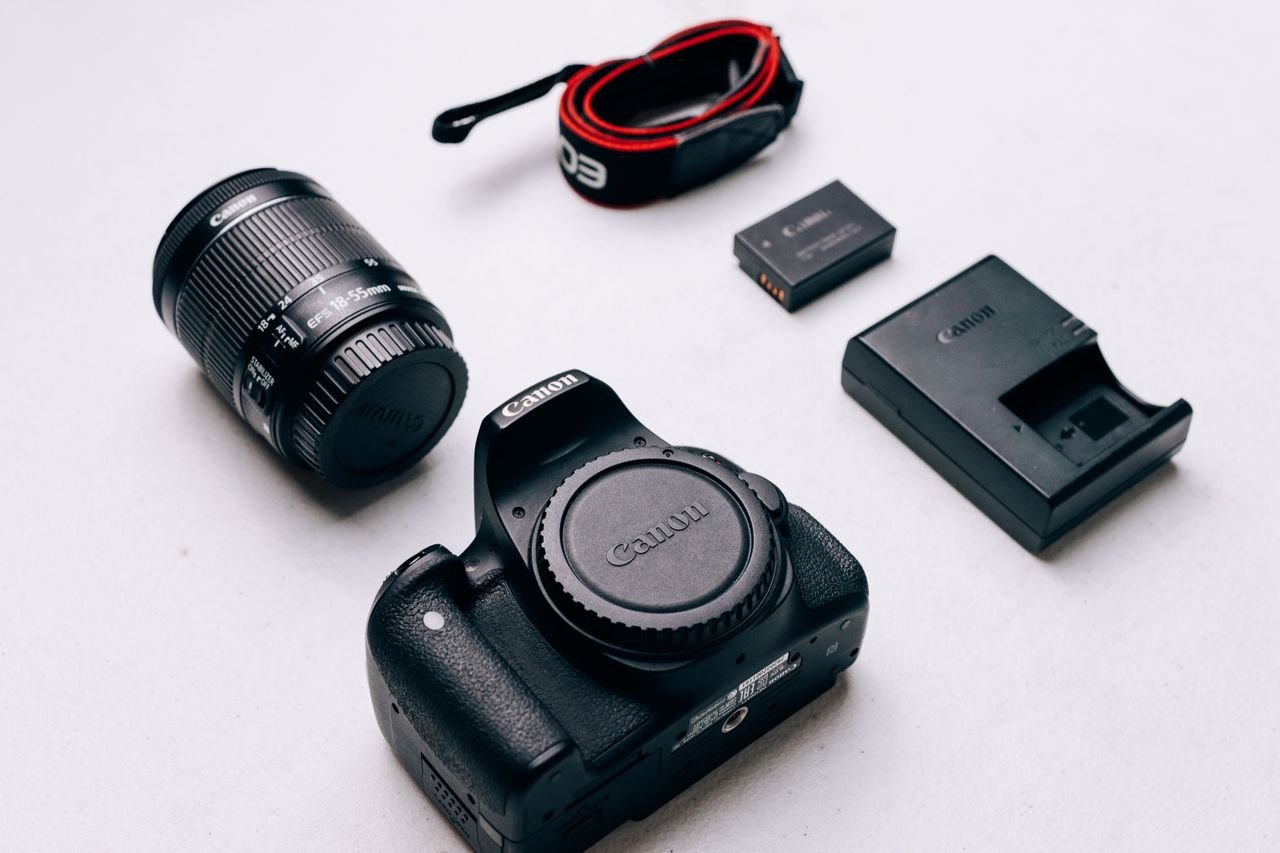
My kit consisted of:
Canon EOS R100
RF-S 18–45mm F4.5–6.3 IS STM kit lens
128 GB microSD card with SD adapter
Silicone camera protector
Lens cap leash
Hard-shell Amazon camera case
Nothing fancy.
No expensive filters.
No professional lenses.
No oversized backpack filled with accessories.
Just a basic setup capable of capturing meaningful memories.
The 128 GB memory card handled the trip without any storage concerns, leaving plenty of room for hundreds of photographs while I became familiar with the camera.
Better Than Expected
Despite my beginner mistakes, I came home pleasantly surprised.
The JPEG images were sharper than I expected, colors looked natural straight out of the camera, and the autofocus performed well enough that I rarely found myself fighting missed focus.
Would the images have been even better in RAW?
Absolutely.
But the experience reminded me that compelling photographs aren’t created solely by camera settings.
Good light, interesting moments, and simply being present still matter most.
Looking Ahead
Big Bear wasn’t the trip where I mastered photography.
It was the trip where I started learning.
Since returning home, I’ve taken the time to understand RAW shooting, dial in my preferred settings, and finally figure out the camera’s video capabilities.
Every adventure teaches something new.
Sometimes it’s about the destination.
Sometimes it’s about yourself.
And sometimes it’s as simple as remembering to switch from JPEG to RAW before leaving the driveway.
Final Thoughts
Looking back through these images now, I don’t see mistakes.
I see the beginning of a journey.
Every photographer has a first trip with a new camera—one filled with excitement, uncertainty, and lessons that only experience can teach.
For me, that first adventure happened among the forests of Big Bear.
The photos may not be perfect, but they’re honest.
A vehicle sitting in a driveway tells a story about what it is. A vehicle sitting on a trail tells a story about where it has been. There is something different about seeing a vehicle surrounded by the environment it was built to explore. A dusty trail, a mountain overlook, a forest road, or a…
Every new camera comes with a learning curve. Some photographers spend weeks reading manuals, watching tutorials, and practicing in their backyard before taking a camera into the field. I did the opposite. Just before our Fourth of July trip to Big Bear National Forest, I picked up my first mirrorless camera—the Canon EOS R100—and threw…
I’ve always admired automotive photography. The dramatic lighting. The rugged landscapes. The perfectly framed vehicles that somehow make you want to pack your gear and head for the mountains. What I hadn’t done was actually create those photos myself. That changed during our first camping trip to Big Bear with my Canon EOS R100. While…
One of the questions I hear most often after sharing camping photos is surprisingly simple: “What gear do you actually bring?” The answer isn’t a truck overflowing with expensive equipment or every gadget marketed toward overlanders. Over time, we’ve learned that successful dispersed camping isn’t about packing more—it’s about packing smarter. Every item we bring…