One of the biggest misconceptions about overlanding is that you need an expensive vehicle, a fully built rig, and thousands of dollars in gear before you can start exploring.
Scroll through social media long enough and it is easy to believe that every adventure vehicle needs a rooftop tent, custom suspension, oversized tires, a full electrical system, and a long list of expensive accessories.
But the truth is much simpler.
Overlanding has never been about how much money you spend. It is about exploring new places, becoming more self-sufficient, and experiencing the journey along the way.
You do not need a $20,000 build to start.
You need a reliable vehicle, a little preparation, and the willingness to leave the pavement behind.
Start With the Vehicle You Already Own
The first mistake many beginners make is believing they need a different vehicle before they can begin.
A common pattern looks like this:
“I need a 4×4 before I can overland.”
“I need bigger tires before I can explore.”
“I need a built rig before I can go camping.”
The reality is that many people already own a vehicle capable of starting their adventure.
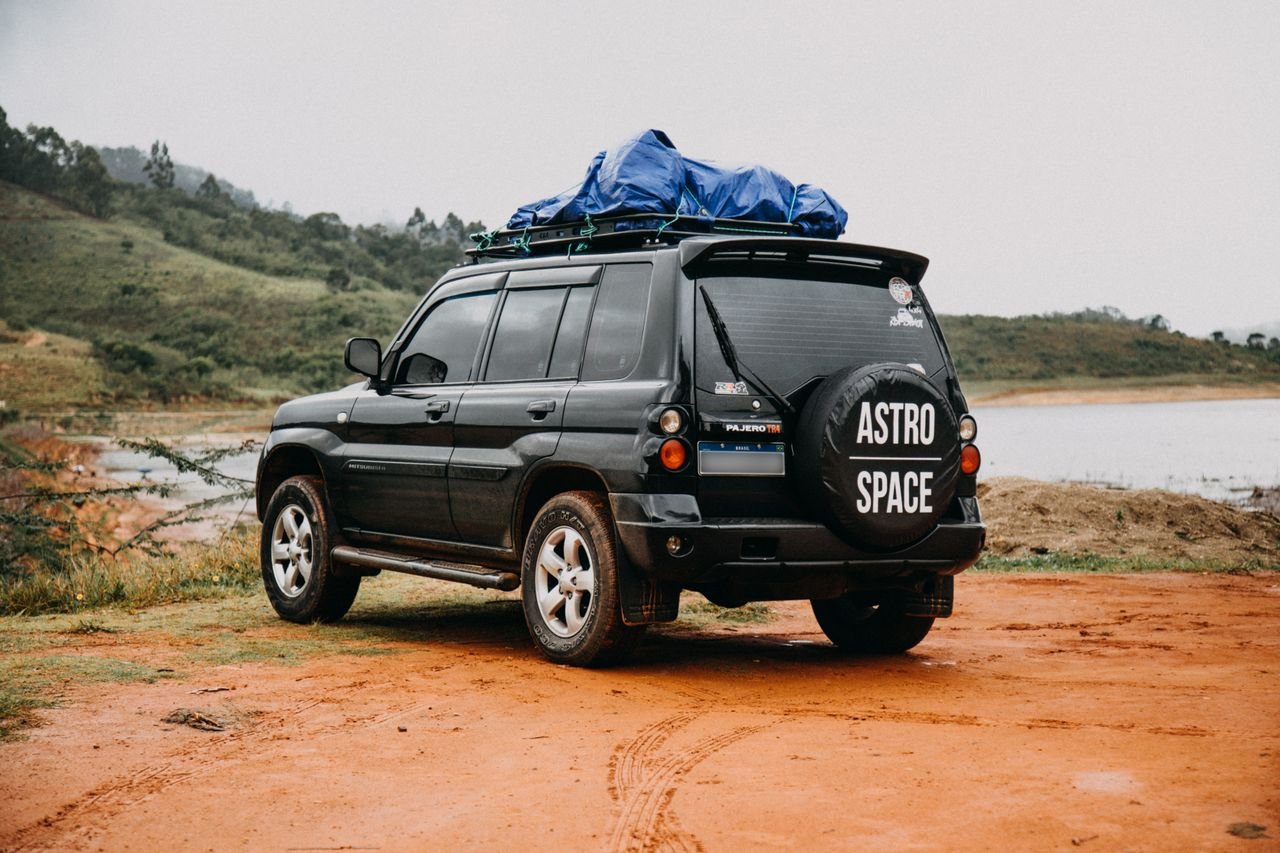
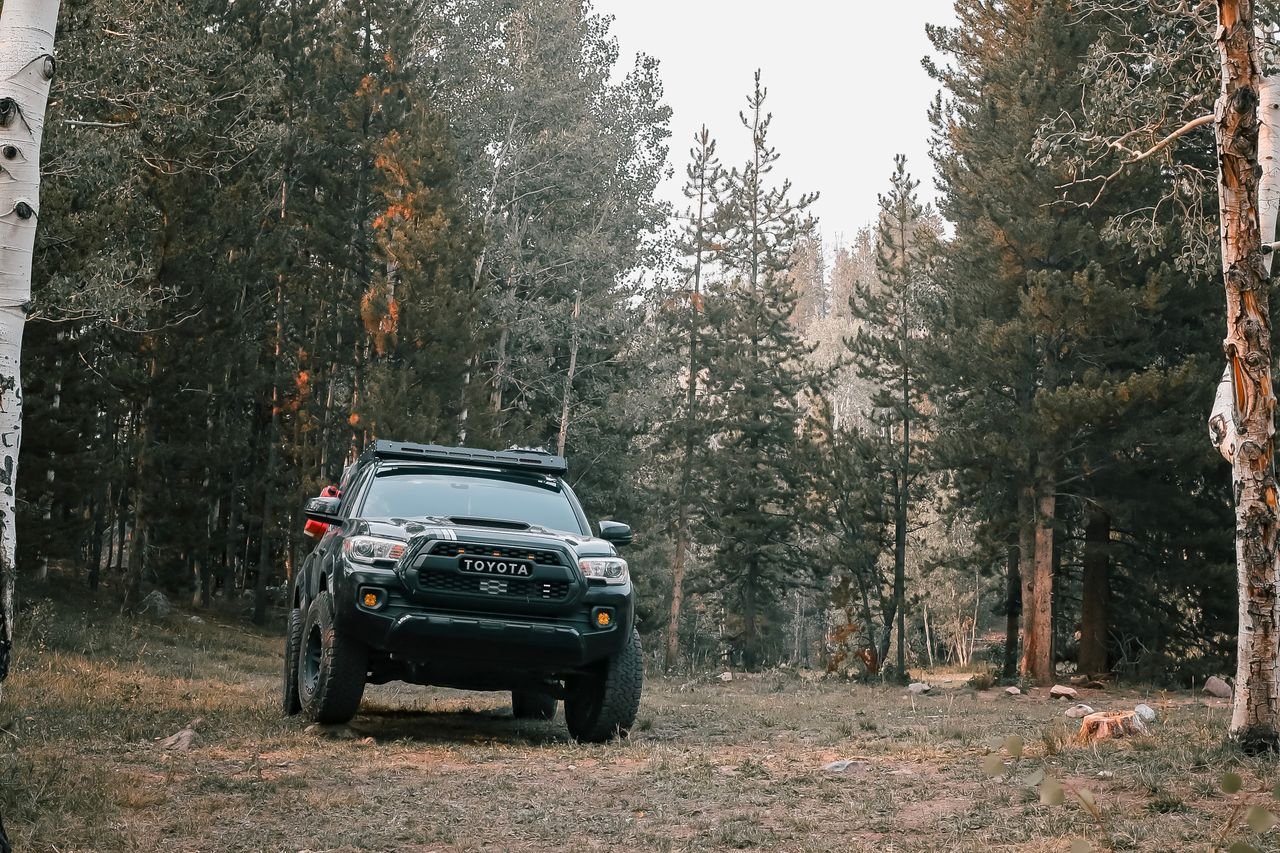
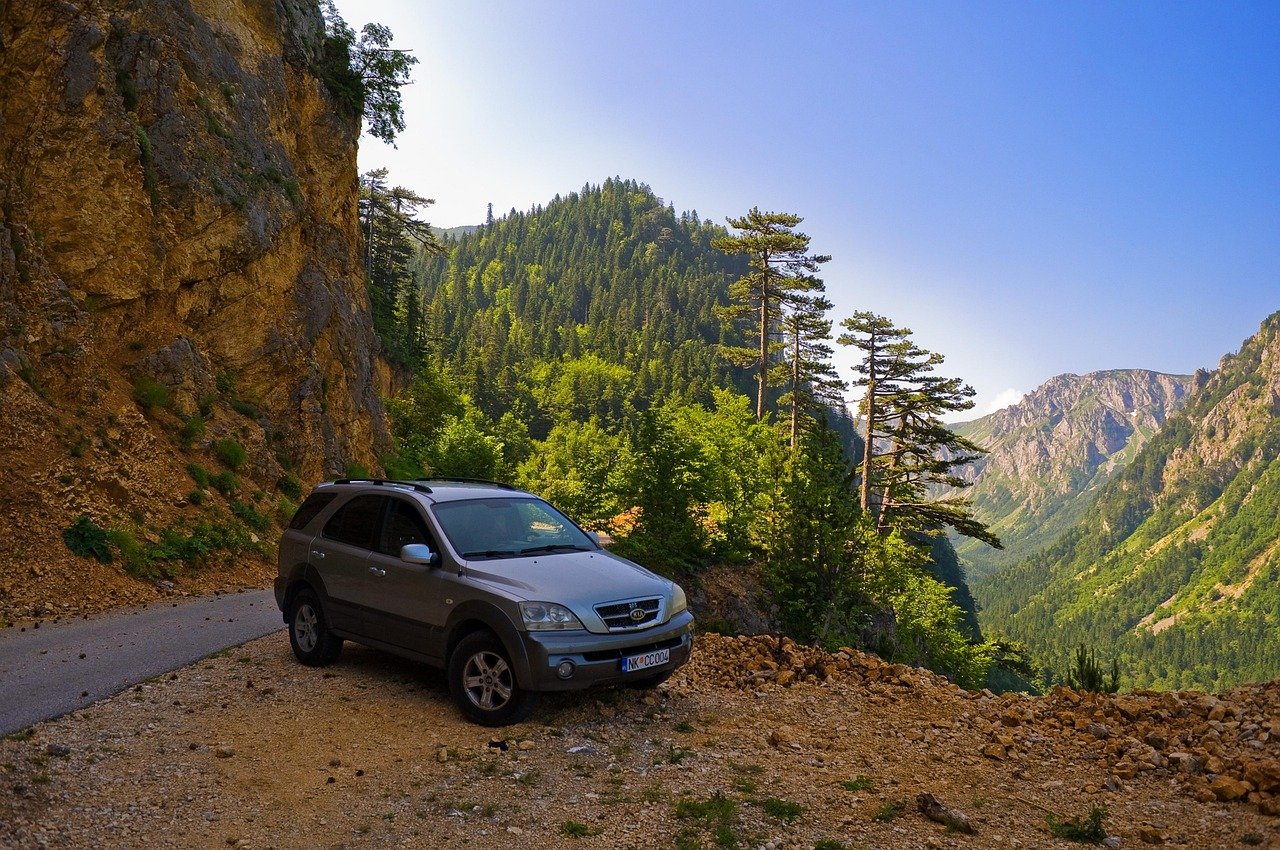
A stock SUV, crossover, pickup truck, or even a capable car can take you farther than you might expect when used responsibly.
The best adventure vehicle is often the one sitting in your driveway.
My own 2001 Mercedes ML320 is a perfect example. It was never the obvious choice compared to the usual overlanding platforms, but with thoughtful upgrades and proper preparation, it has become a capable adventure vehicle.
The goal is not to build the most impressive rig.
The goal is to build the right rig for the adventures you want to have.
Prioritize Reliability Before Accessories
Before adding equipment, make sure your vehicle can handle the journey.
A reliable vehicle with basic gear will outperform an expensive build that has been neglected.
Start with the fundamentals:
- Fresh fluids and regular maintenance
- Reliable tires
- Proper brakes
- A healthy battery
- Working cooling system
- Checking for leaks or mechanical issues
Adventure starts with confidence.
Knowing your vehicle is ready is more valuable than having a vehicle covered in expensive upgrades.
Start With the Essentials
Overlanding does not require a garage full of equipment.
The basics can take you surprisingly far.
A beginner setup might include:
Navigation
A phone with offline maps can be enough to start. Dedicated GPS systems and advanced navigation tools are helpful, but they are not required on day one.
Water
Having enough water is one of the most important parts of any outdoor adventure.
A few reliable containers and a plan for your trip can make a huge difference.
Food and Cooking
You do not need a complete outdoor kitchen.
A simple camp stove, basic cookware, and easy meals are enough to enjoy your time outside.
Recovery and Safety Gear
Even simple trips require preparation.
Basic equipment such as:
- Tire repair kit
- Air compressor
- Recovery strap
- First aid kit
- Flashlight or headlamp
- Extra supplies
can provide peace of mind when traveling away from home.
Build Based on Experience
One of the biggest mistakes beginners make is buying equipment before understanding what they actually need.
The best modifications come from experience.
Take a few trips first.
Pay attention to what creates problems.
Maybe you need more storage. Maybe you need better lighting. Maybe you need more comfortable sleeping arrangements.
Your adventures will tell you what upgrades make sense.
A vehicle built around your actual needs will always be better than a vehicle built from a shopping list.
Expensive Gear Does Not Create Adventure
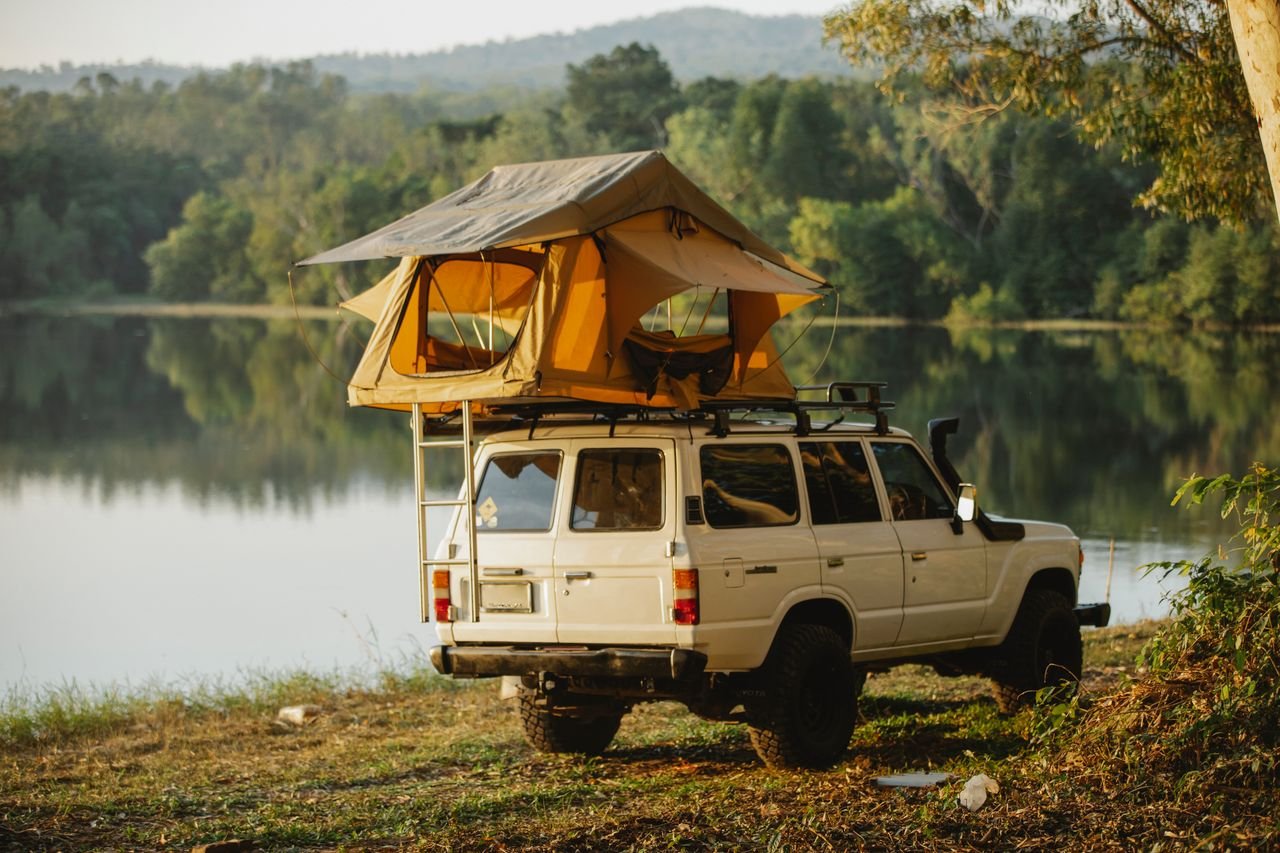
A rooftop tent does not make someone an overlander.
A winch does not make someone an explorer.
A modified vehicle does not automatically create meaningful experiences.
Gear is simply a tool.
The adventure comes from the places you visit, the challenges you overcome, and the memories you create.
Some of the best trips happen with simple setups because the focus stays on the experience rather than the equipment.
Learn Skills Instead of Buying Solutions
One of the most valuable investments you can make is learning.
Skills are often more useful than expensive upgrades.
Learn how to:
- Navigate using maps
- Change a tire
- Perform basic vehicle repairs
- Recover a stuck vehicle safely
- Camp efficiently
- Read trail conditions
- Plan routes
A knowledgeable driver in a modest vehicle is often more capable than an inexperienced driver in an expensive build.
A Realistic Beginner Budget
Starting overlanding does not have to happen all at once.
A simple progression might look like:
Step 1: Use What You Have
Cost: Minimal
Take local trips. Explore nearby roads. Learn what you enjoy.
Step 2: Add Basic Gear
Cost: A few hundred dollars
Purchase essentials like camping equipment, recovery gear, and storage solutions.
Step 3: Upgrade Based on Experience
Cost: As needed
Add tires, protection, suspension improvements, lighting, or other modifications when you know they will improve your adventures.
This approach prevents wasting money on equipment that looks good but does not actually improve your experience.
The Goal Is Getting Outside
There will always be another upgrade.
Another accessory.
Another vehicle you think you need.
But adventure does not start when the build is complete.
It starts when you decide to go.
A $20,000 overland build can be impressive, but so can a weekend exploring a forgotten road in a vehicle you already own.
The best rig is not the one with the biggest budget.
It is the one that gets you out there.



[…] ⬜ How to Start Overlanding Without $20,000 […]