A vehicle sitting in a driveway tells a story about what it is.
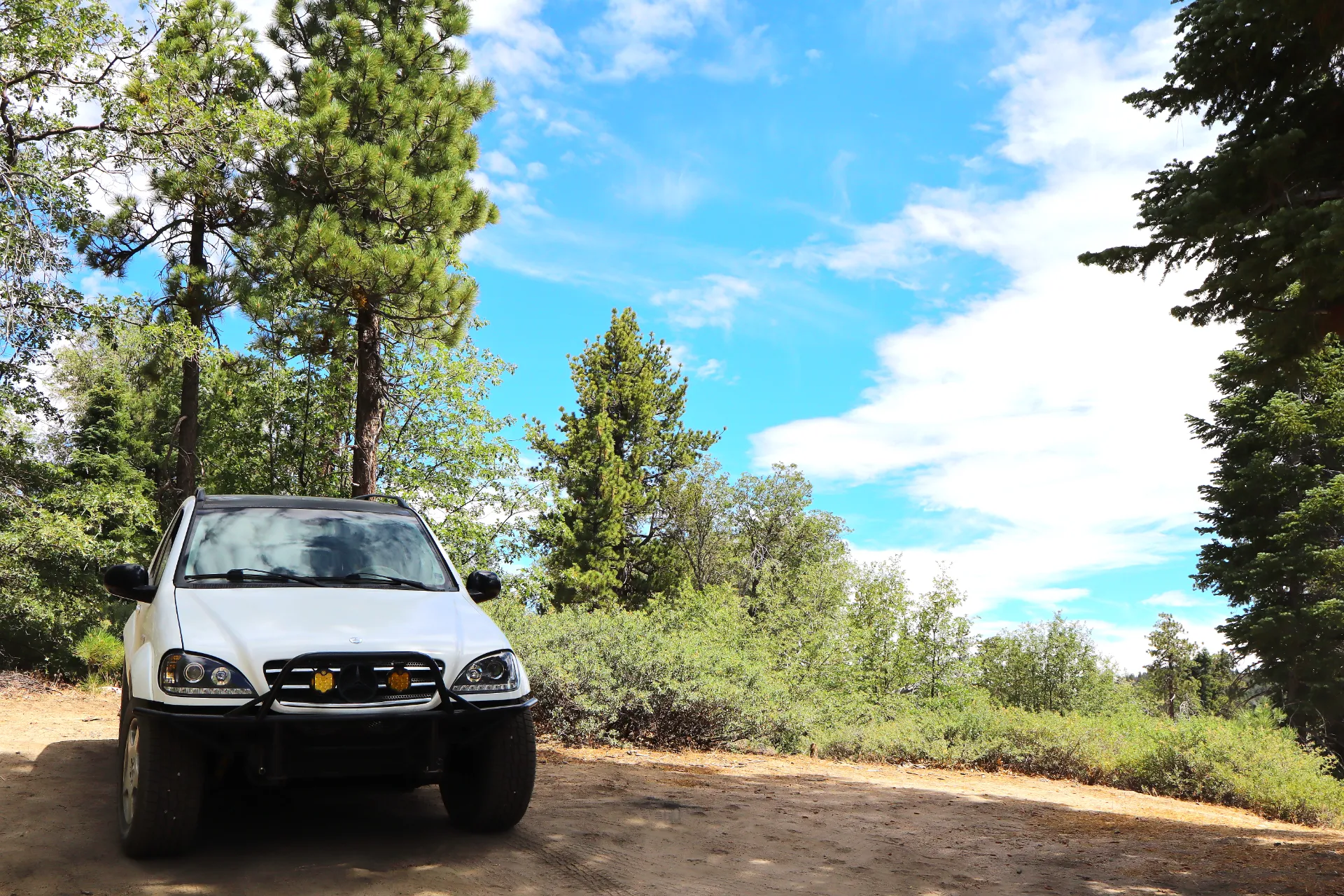
A vehicle sitting on a trail tells a story about where it has been.
There is something different about seeing a vehicle surrounded by the environment it was built to explore. A dusty trail, a mountain overlook, a forest road, or a remote campsite adds context that a garage or parking lot never can.
For me, photographing vehicles on the trail is not just about capturing the vehicle itself. It is about documenting the experience behind it — the places it takes you, the challenges it faces, and the memories created along the way.
Here is how I approach photographing vehicles during my adventures.
Finding the Right Location
The best vehicle photos usually start long before the camera comes out.
A great location is not just somewhere with an interesting background. It is a place that tells a story.
A dirt road disappearing into the distance, a mountain pass, a rocky trail, or a campsite surrounded by trees can instantly communicate the purpose of the vehicle.
When exploring, I pay attention to locations that create a sense of adventure. The goal is not to make the vehicle look like it is simply parked somewhere. The goal is to make it feel like it belongs there.
The environment is part of the photograph.
Use the Landscape to Add Scale
One of the most powerful parts of adventure photography is showing the relationship between the vehicle and the world around it.
A vehicle alone can look impressive, but placing it within a larger landscape creates a sense of scale and adventure.
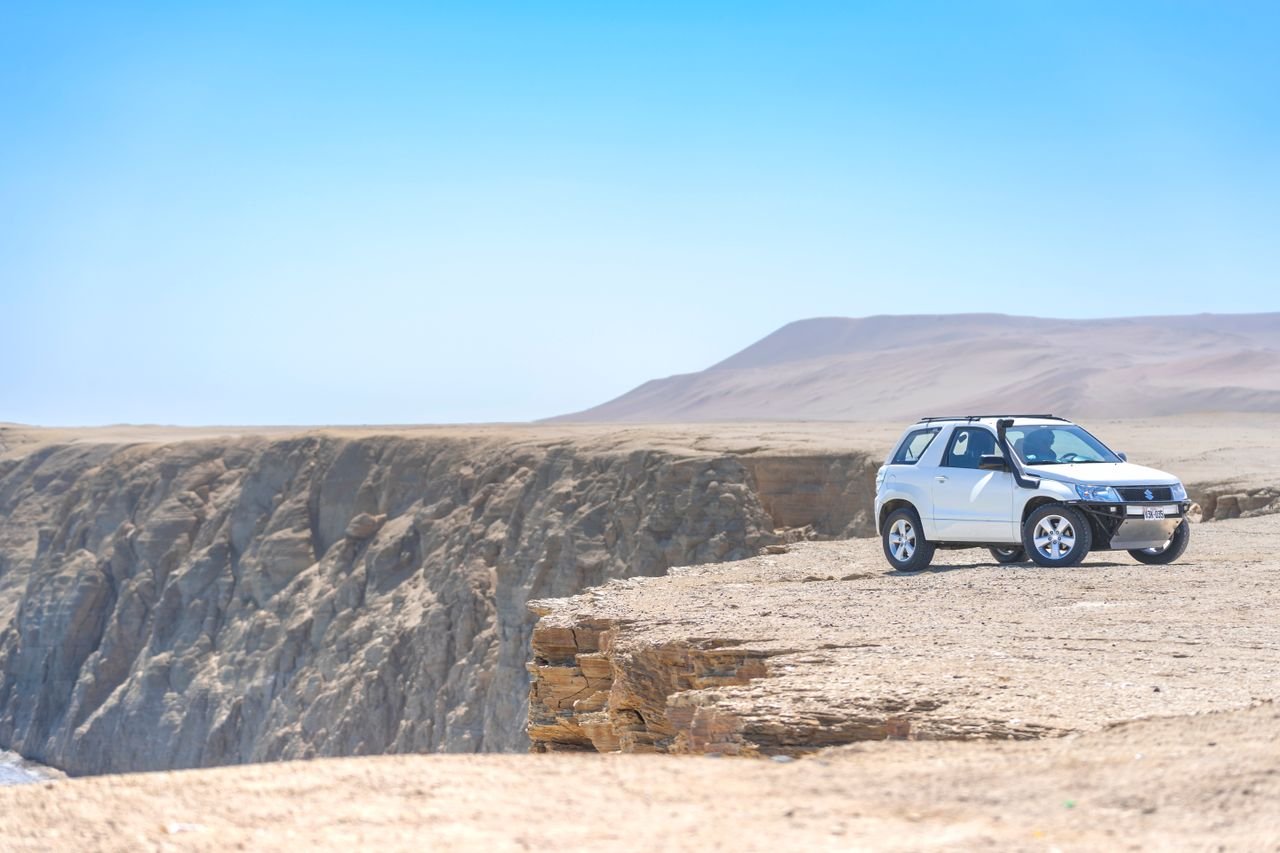
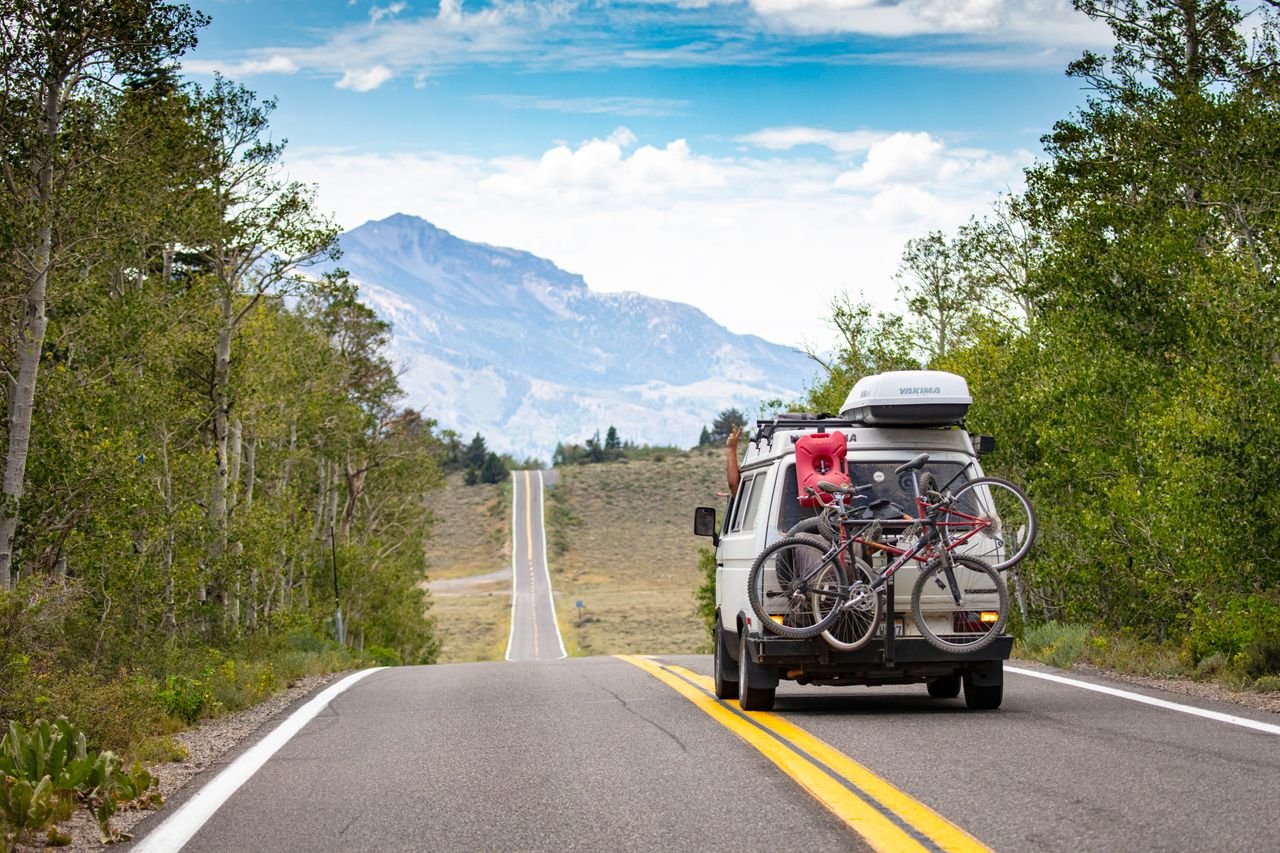
A wide shot of a vehicle surrounded by mountains can make a trail feel vast. A small vehicle on a remote road can tell a story of exploration and distance.
Sometimes the best photograph is not a close-up of the build. It is a reminder of how small we are compared to the places we explore.
Photograph More Than the Vehicle
A good adventure photo is not just about the machine.
The details matter.
The mud on the tires. The dust on the body panels. The camping gear in the back. The trail map on the hood. The driver’s door opening before a hike.
These small moments create a feeling.
A vehicle is a tool that allows us to experience places we might never reach otherwise. Capturing those details helps tell the complete story of the adventure.
Shoot From Different Perspectives
Changing your perspective can completely transform a photo.
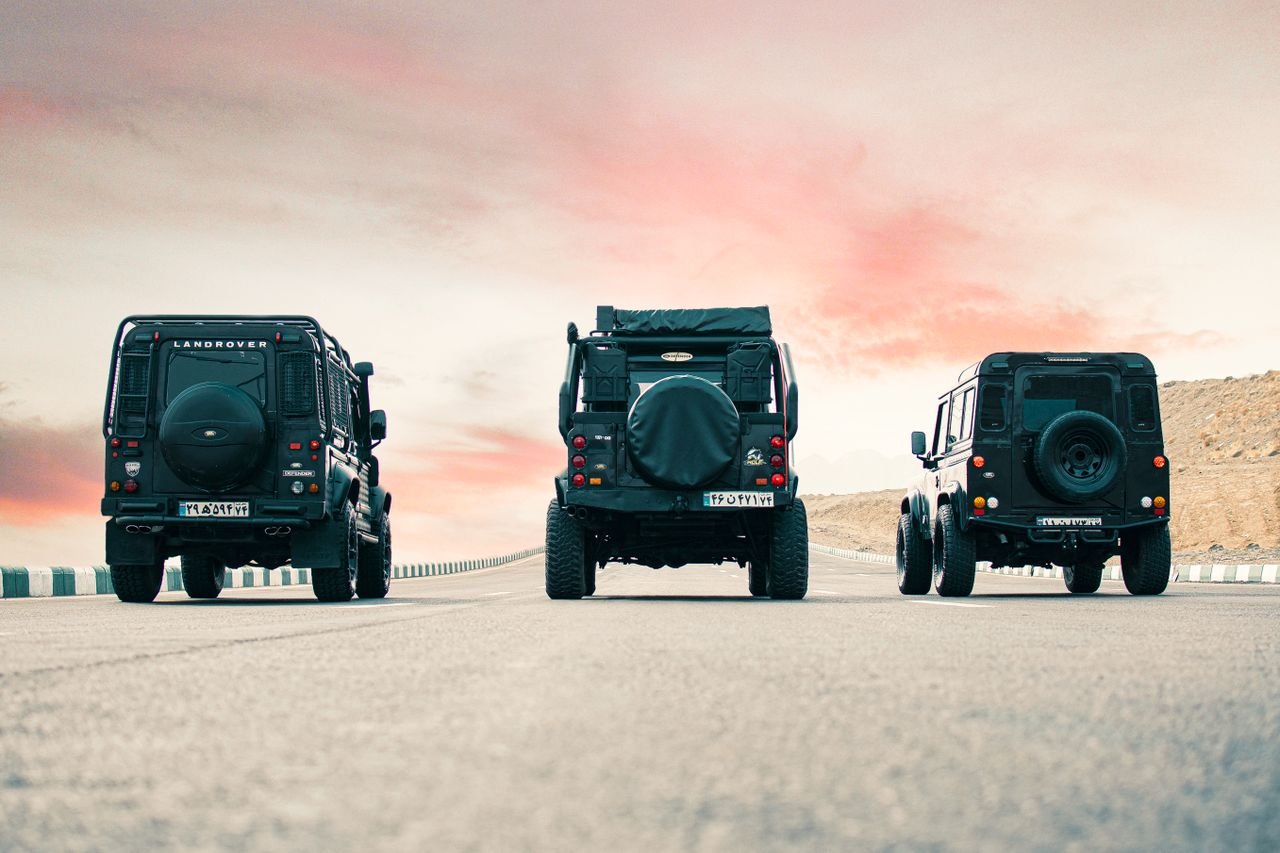
A low angle can make a vehicle look stronger and more capable. A higher viewpoint can show the surrounding landscape and the route ahead. A shot from behind can create a feeling of leaving civilization behind.
I like to walk around the vehicle and look for angles that feel natural rather than forcing a specific shot.
Sometimes the best image comes from simply moving a few feet away or waiting for the right moment.
Use Natural Light
Lighting can make or break an outdoor photograph.
Early morning and late afternoon often provide the most dramatic conditions because the softer light creates depth and texture. The shadows highlight the shape of the vehicle while the landscape takes on more character.
That does not mean every photo needs perfect lighting.
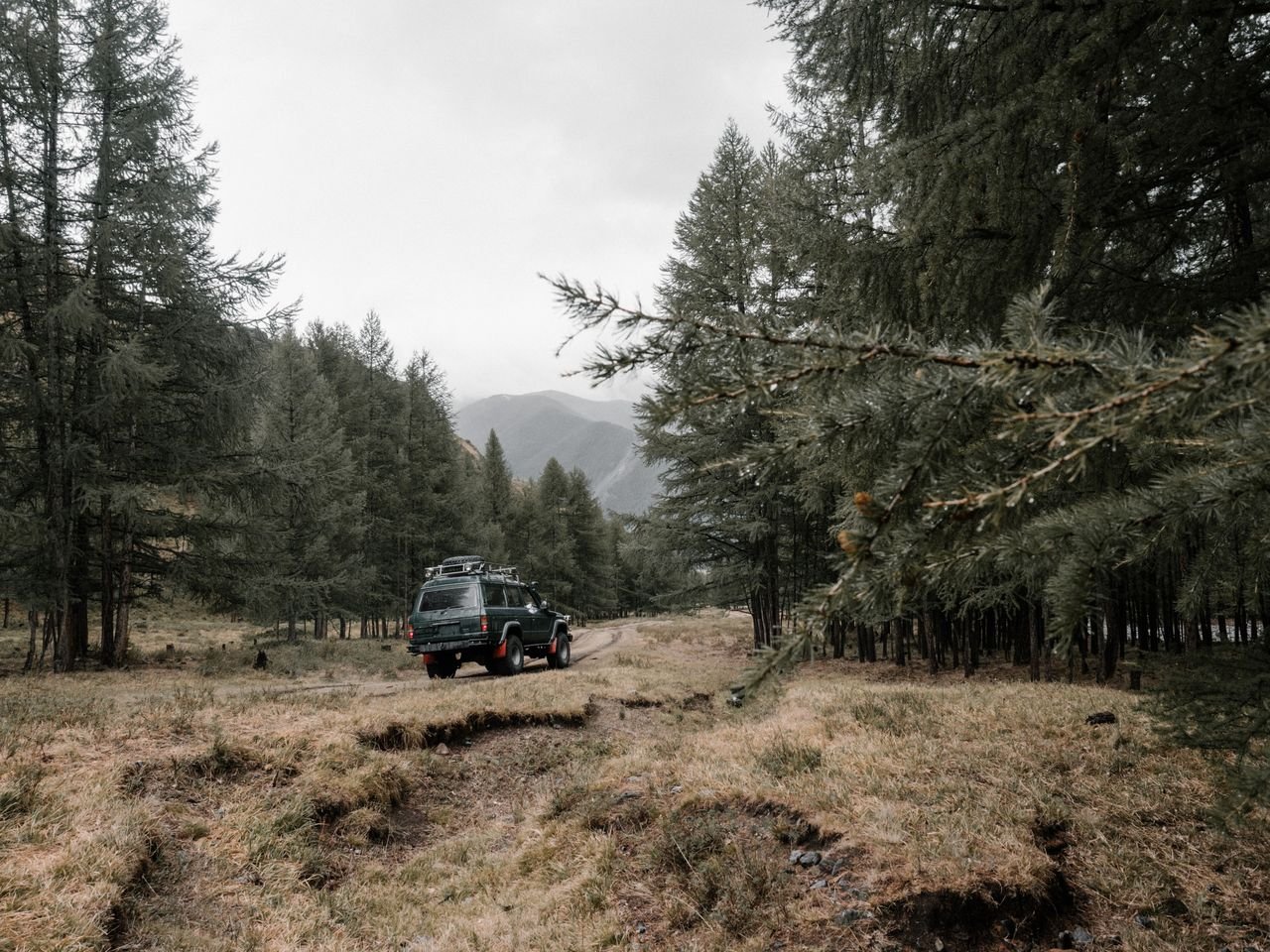
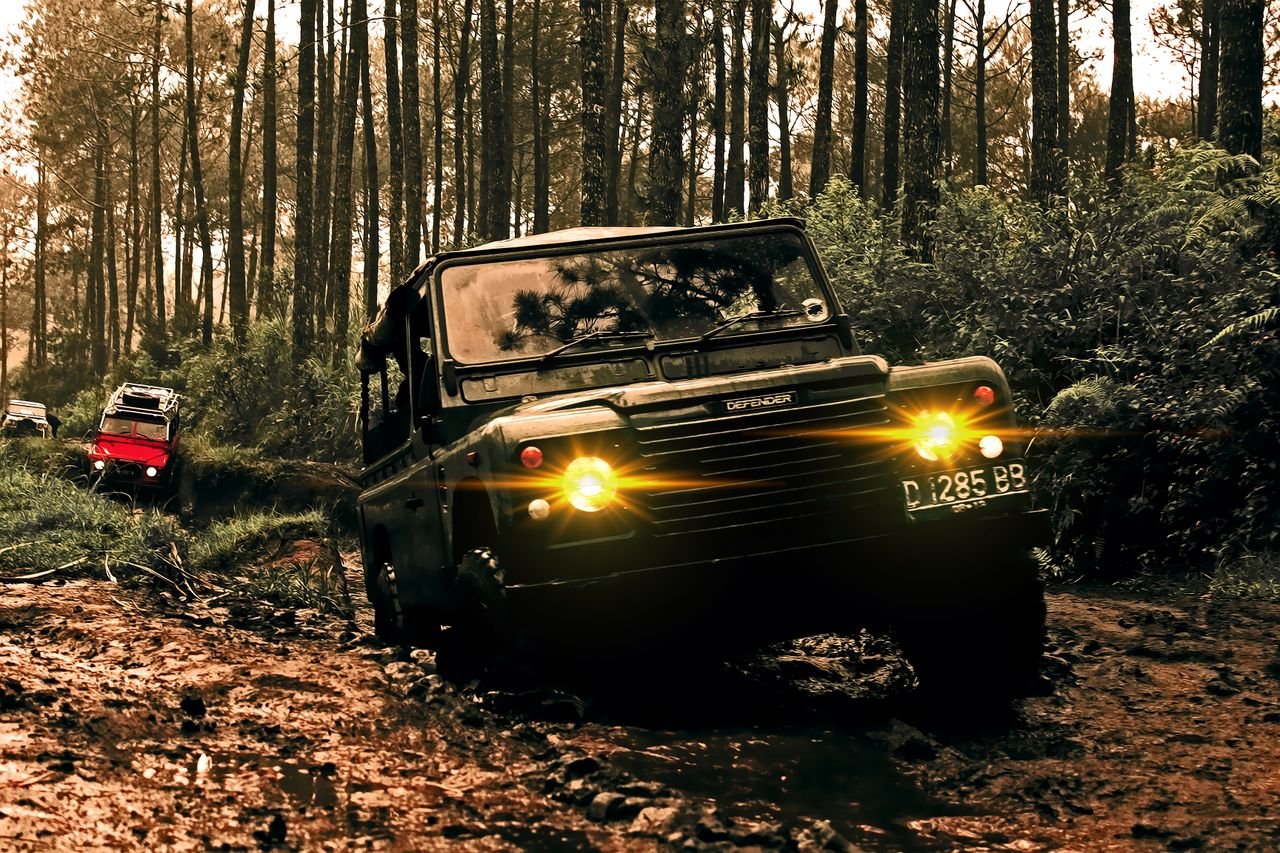
Some of the most memorable adventure photos happen in unexpected conditions — an overcast forest road, a storm approaching in the distance, or the golden glow after a long day on the trail.
The conditions are part of the story.
Capture the Journey, Not Just the Destination
The biggest mistake in adventure photography is focusing only on the final location.
Some of the best moments happen along the way.
A forgotten trail. A roadside viewpoint. A muddy section of road. A quick stop to explore something interesting.
Adventure is rarely just one destination. It is the collection of moments between leaving home and returning.
The photographs that mean the most are often the ones that remind you of the entire experience.
Don’t Let Gear Stop You
It is easy to believe you need expensive equipment to create great adventure photos.
You don’t.
A dedicated camera can provide more control, but the most important tools are your creativity, your ability to see interesting moments, and your willingness to explore.
The camera is simply a way to preserve the memories you create.
The best photograph is not always the sharpest or most technically perfect. It is the one that brings you back to a place and a moment.
Telling Stories Through Adventure Photography
Photographing vehicles on the trail is about more than showcasing modifications or equipment.
It is about capturing the relationship between people, machines, and the places they explore.
Every scratch, every layer of dust, and every mile traveled represents a story.
The goal is not just to show where a vehicle can go.
The goal is to show why we go there in the first place.
A vehicle sitting in a driveway tells a story about what it is. A vehicle sitting on a trail tells a story about where it has been. There is something different about seeing a vehicle surrounded by the environment it was built to explore. A dusty trail, a mountain overlook, a forest road, or a…
Every new camera comes with a learning curve. Some photographers spend weeks reading manuals, watching tutorials, and practicing in their backyard before taking a camera into the field. I did the opposite. Just before our Fourth of July trip to Big Bear National Forest, I picked up my first mirrorless camera—the Canon EOS R100—and threw…
I’ve always admired automotive photography. The dramatic lighting. The rugged landscapes. The perfectly framed vehicles that somehow make you want to pack your gear and head for the mountains. What I hadn’t done was actually create those photos myself. That changed during our first camping trip to Big Bear with my Canon EOS R100. While…