Walk through almost any overland event or spend enough time scrolling social media, and you’ll start to notice a pattern.
Towering suspension lifts.
Custom fabricated bumpers.
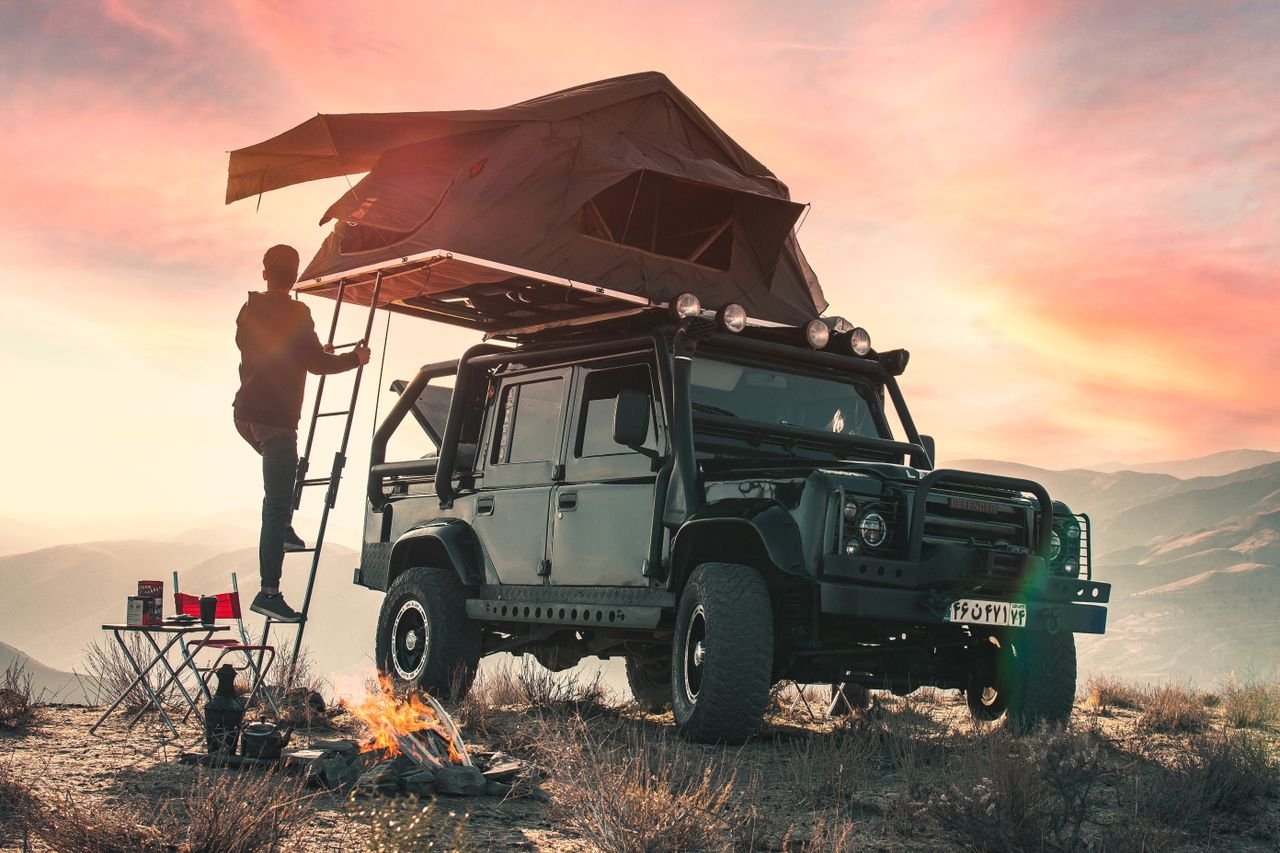
Rooftop tents worth more than some used cars.
Thousands of dollars in lighting, recovery gear, and accessories.
They’re impressive.
They represent countless hours of work, planning, and investment.
But somewhere along the way, an unfortunate idea has started to take hold.
That adventure belongs to whoever has spent the most money.
I don’t believe that’s true.
Adventure Was Never Meant to Be Exclusive
The outdoors doesn’t ask what your monthly payment is.
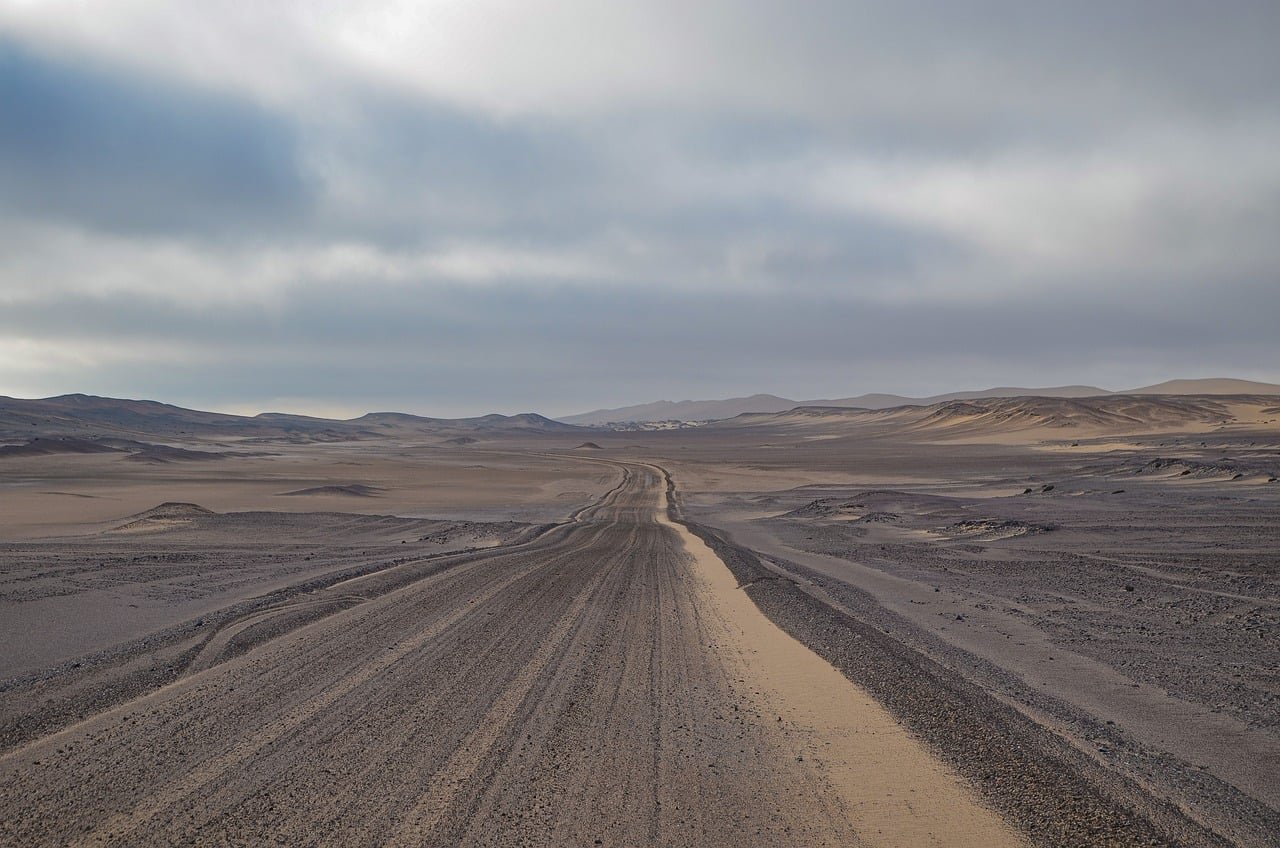
The mountains don’t care how much your suspension cost.
A forest road has never stopped to admire someone’s premium roof rack.
Nature has always been the great equalizer.
Whether you arrive in a brand-new purpose-built overland truck or an older SUV that’s seen better days, you’re standing beneath the same sky and breathing the same mountain air.
That’s one of the things I love most about getting outside.
Budget Doesn’t Mean Unprepared
There’s a common misconception that inexpensive builds are automatically unsafe or poorly equipped.
In reality, preparation has very little to do with how much money you’ve spent.
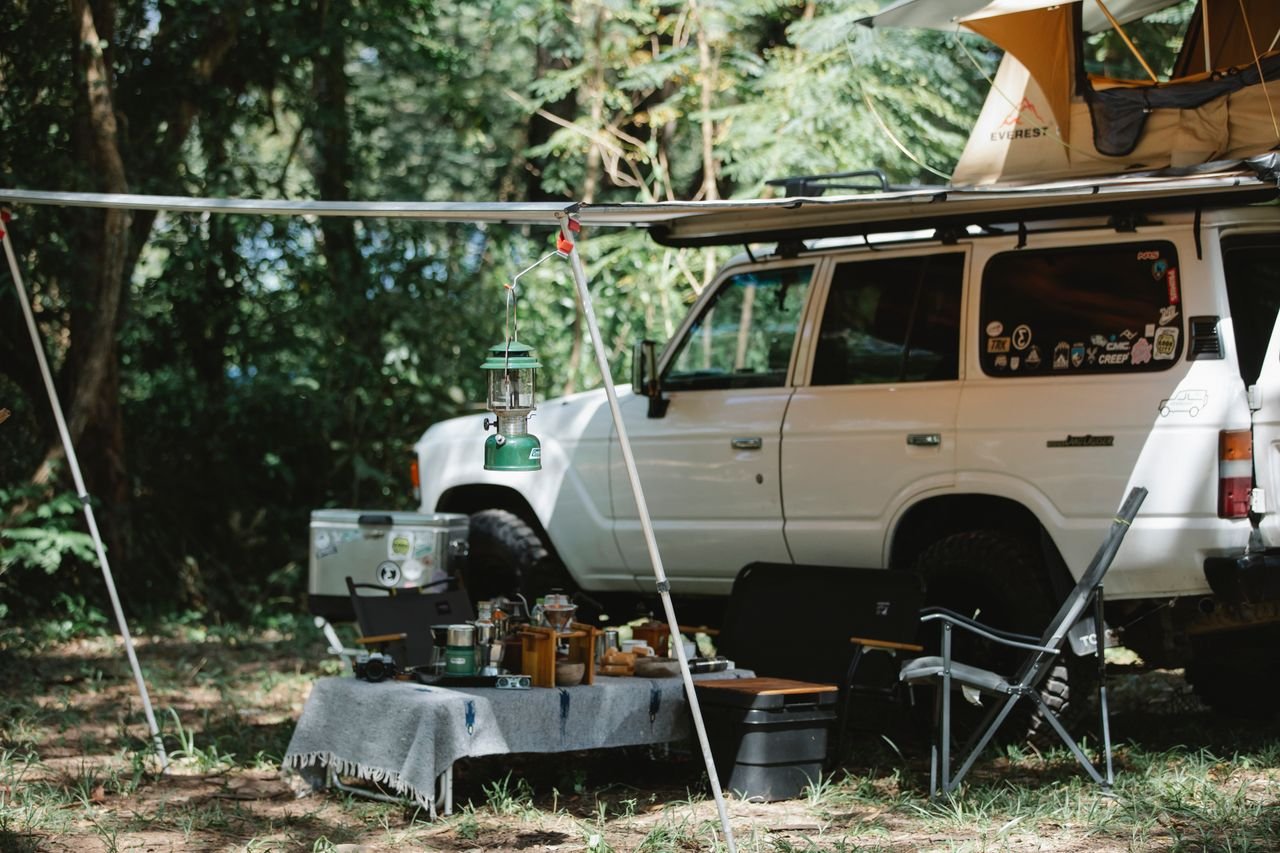
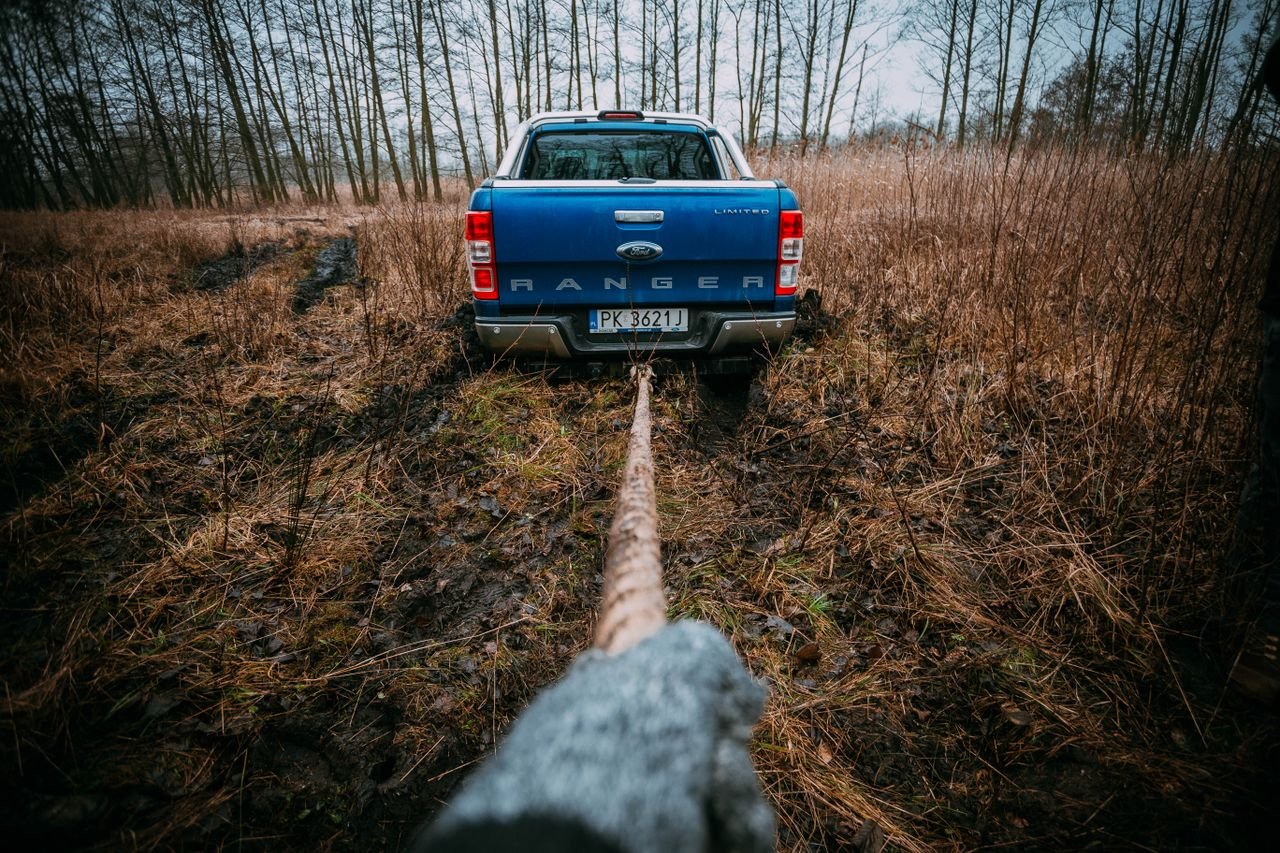
A well-maintained vehicle with quality tires, a first aid kit, recovery gear, drinking water, and a driver who understands its limitations is often better prepared than an expensive build that’s never left the pavement.
Preparation isn’t purchased.
It’s practiced.
Every Build Starts Somewhere
It’s easy to admire a finished vehicle without thinking about how it got there.
Most builds weren’t completed overnight.
They grew one upgrade at a time.
New tires this year.
Recovery points next year.
Lighting after that.
Eventually the vehicle becomes something entirely different than the one that first rolled into the driveway.
That’s exactly how many budget builds evolve.
Not because the owner couldn’t afford everything at once.
Because building slowly allows every modification to be intentional.
Creativity Thrives on a Budget
One thing I’ve come to appreciate is how creative budget-minded enthusiasts become.
When every dollar matters, you stop asking, “What’s the most expensive option?”
Instead, you ask:
“What’s the smartest solution?”
That mindset often leads to better organization, thoughtful modifications, and a deeper understanding of the vehicle itself.
Necessity has always been one of the greatest teachers.
Use Matters More Than Appearance
Some of the most inspiring vehicles I’ve seen aren’t the ones covered in accessories.
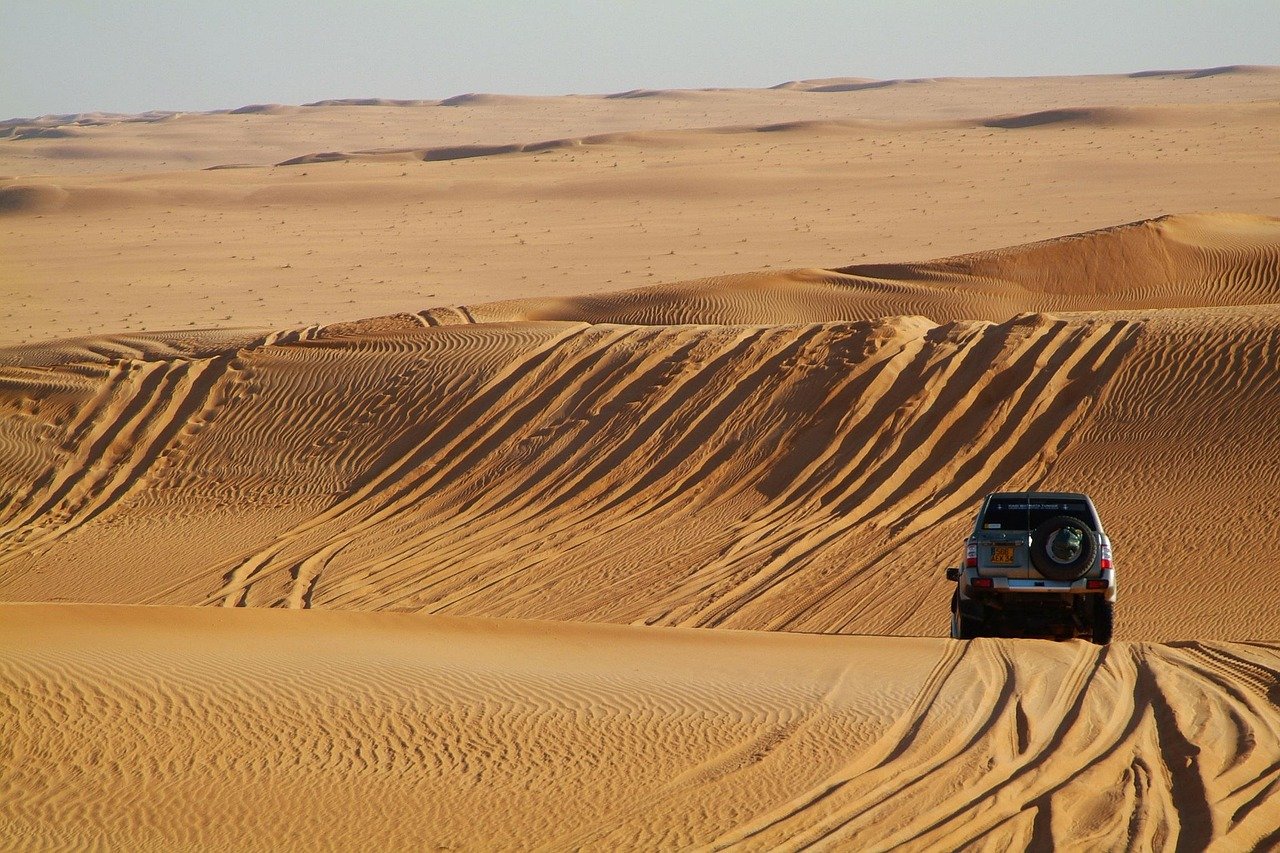
They’re the ones covered in dust.
The scratches tell stories.
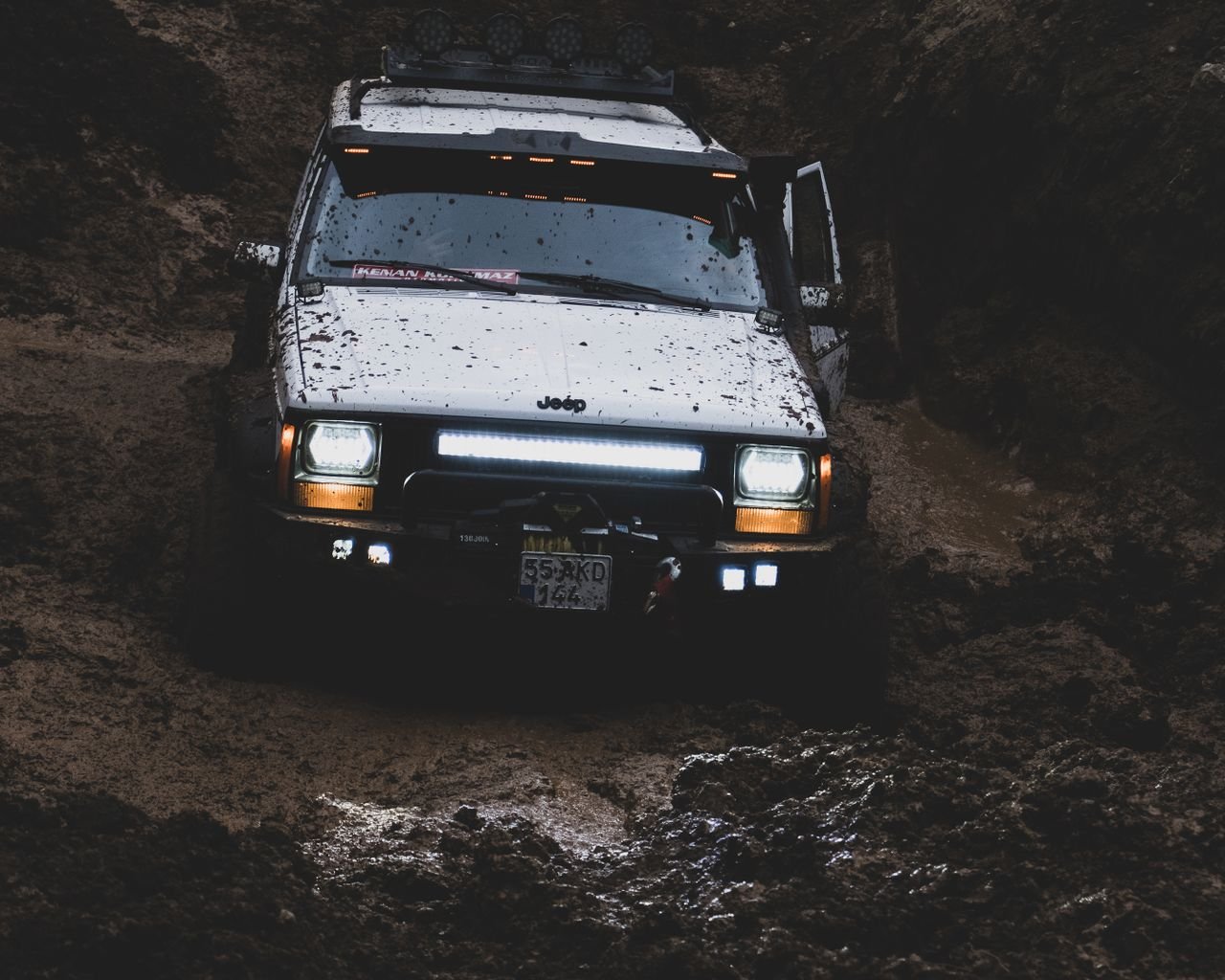
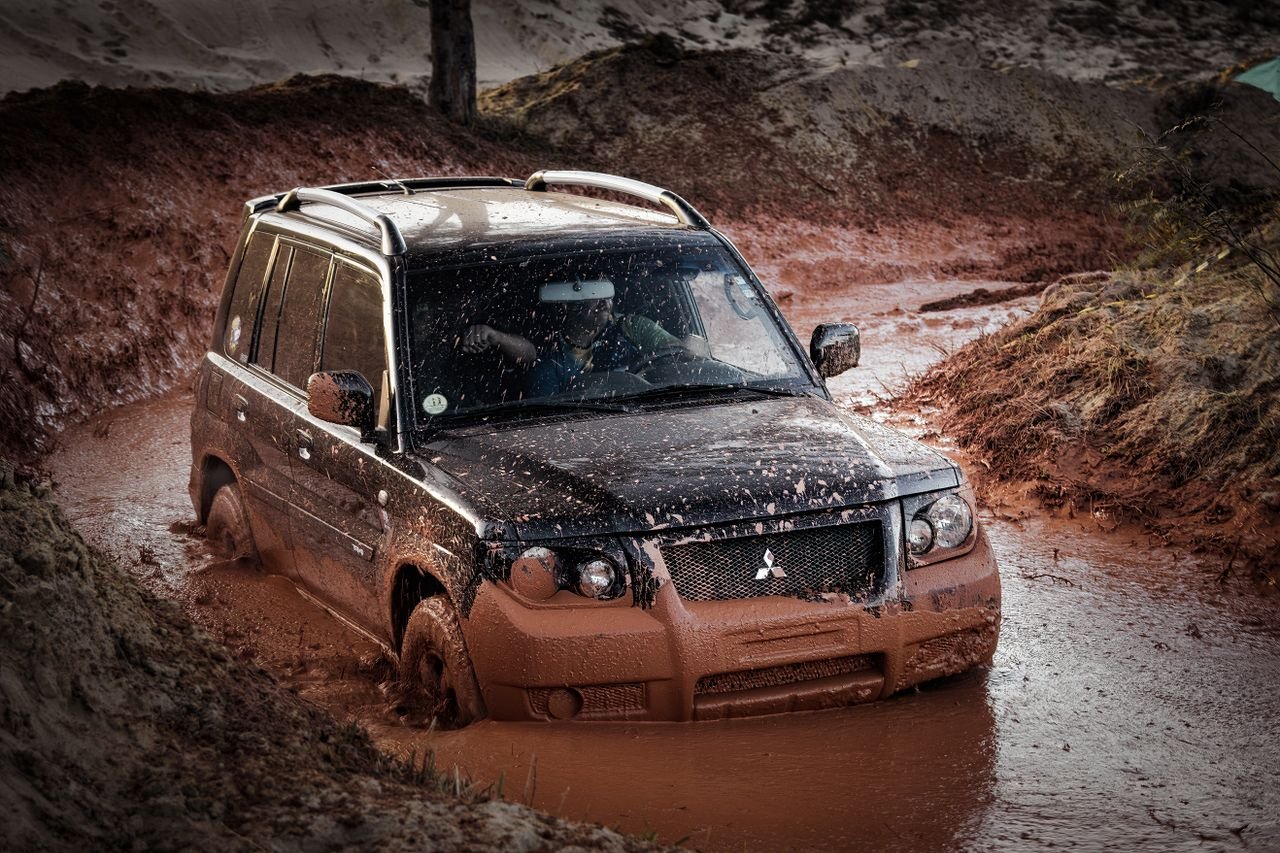
The mud wasn’t applied for a photograph.
The dents came from adventures, not parking lots.
I’d rather see a modest vehicle that’s constantly exploring than a flawless showpiece that’s afraid to leave the pavement.
Vehicles were built to be driven.
Not admired from a distance.
Build for Yourself
It’s easy to compare your vehicle to someone else’s.
Social media makes that almost unavoidable.
But comparison has a way of stealing the joy from the process.
Your build doesn’t need to impress strangers online.
It only needs to help you enjoy your adventures a little more than it did yesterday.
Upgrade what solves a real problem.
Skip what doesn’t.
There is no deadline.
Memories Don’t Have Price Tags
Years from now, I won’t remember how much a bumper cost.
I’ll remember sharing coffee beneath the pines.
I’ll remember fixing a problem at camp with the tools we brought.
I’ll remember watching my family relax around a fire after a long day on the trail.
Those moments weren’t purchased.
They were experienced.
That’s the difference.
Final Thoughts
Budget builds deserve more respect because they remind us what adventure has always been about.
Not perfection.
Not prestige.
Not impressing people we’ve never met.
Just getting outside with what you have and making the most of it.
Every capable adventure vehicle started somewhere.
Every experienced traveler was once a beginner.
Every unforgettable journey began with someone deciding they already had enough to get started.
And maybe that’s the most valuable upgrade any of us can make.
Building an adventure vehicle is not only about what happens outside the vehicle. The bumpers, tires, lights, and trail upgrades might be the first things people notice, but the interior is where you spend the most time. Whether you are driving several hours to reach a trail, spending a night camping, or simply using the…
At first glance, offroading and overlanding may look like the same thing. Both involve capable vehicles, dirt roads, exploring the outdoors, and leaving the pavement behind. Both communities share a passion for adventure, self-reliance, and discovering places that most people never see. But while they often overlap, offroading and overlanding are built around different experiences.…
Spend enough time online and you’ll eventually believe you need a six-figure overland build before you’re qualified to leave the pavement. Lift kits. Locking differentials. Roof racks covered in accessories. Recovery boards mounted to every available surface. Rows of LED lights brighter than a stadium. Don’t get me wrong—I enjoy seeing well-built adventure vehicles as…
Every adventure begins long before the tires leave the pavement. Whether I’m heading into San Bernardino National Forest for a weekend of dispersed camping or simply taking a scenic drive through the mountains, there are a handful of items that never leave my vehicle. Over time, this collection hasn’t grown because I wanted more gear—it…



[…] ⬜ Why Budget Builds Deserve More Respect […]