Every adventure begins long before the tires leave the pavement.
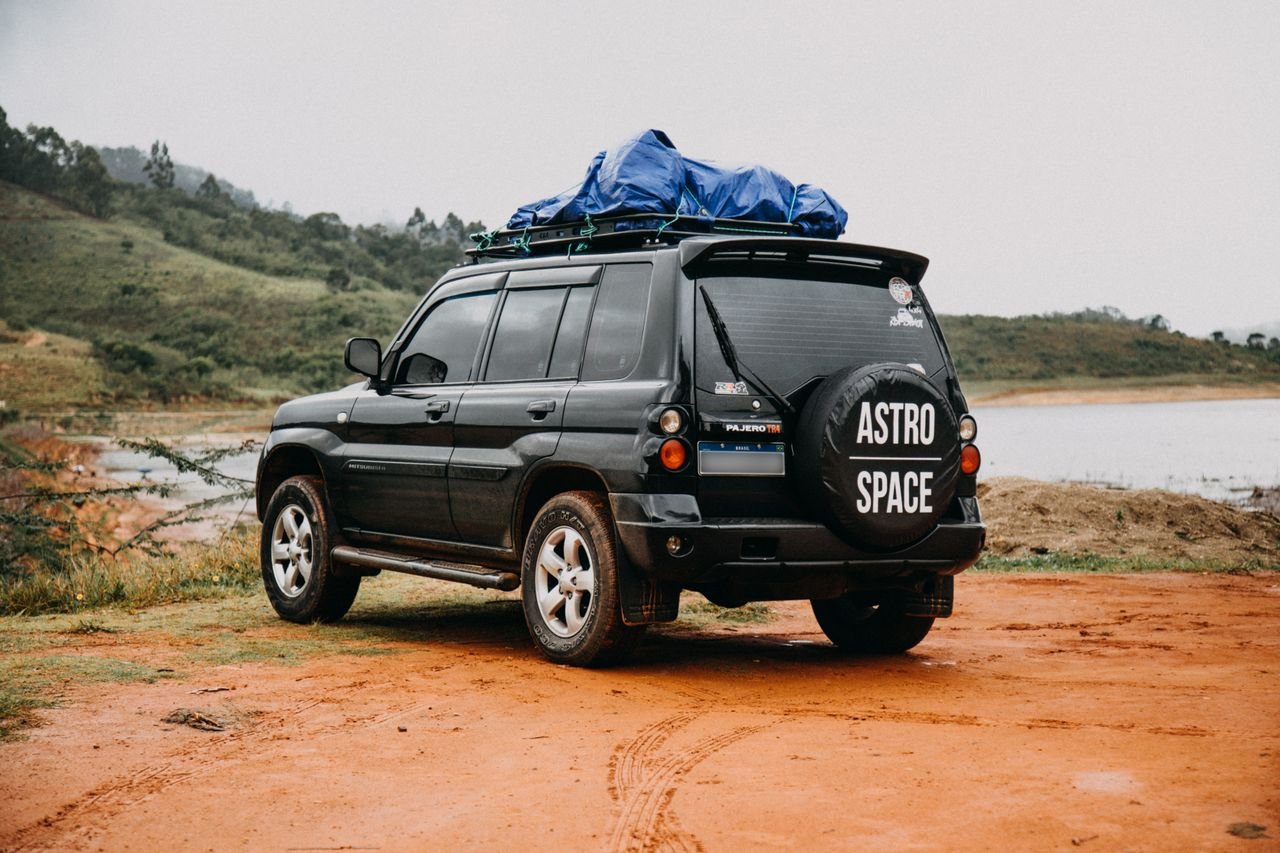
Whether I’m heading into San Bernardino National Forest for a weekend of dispersed camping or simply taking a scenic drive through the mountains, there are a handful of items that never leave my vehicle.
Over time, this collection hasn’t grown because I wanted more gear—it has grown because every item has solved a problem at least once.
Some are for convenience.
Some are for comfort.
Others, I hope I never need.
Here’s what permanently rides along on every trip.
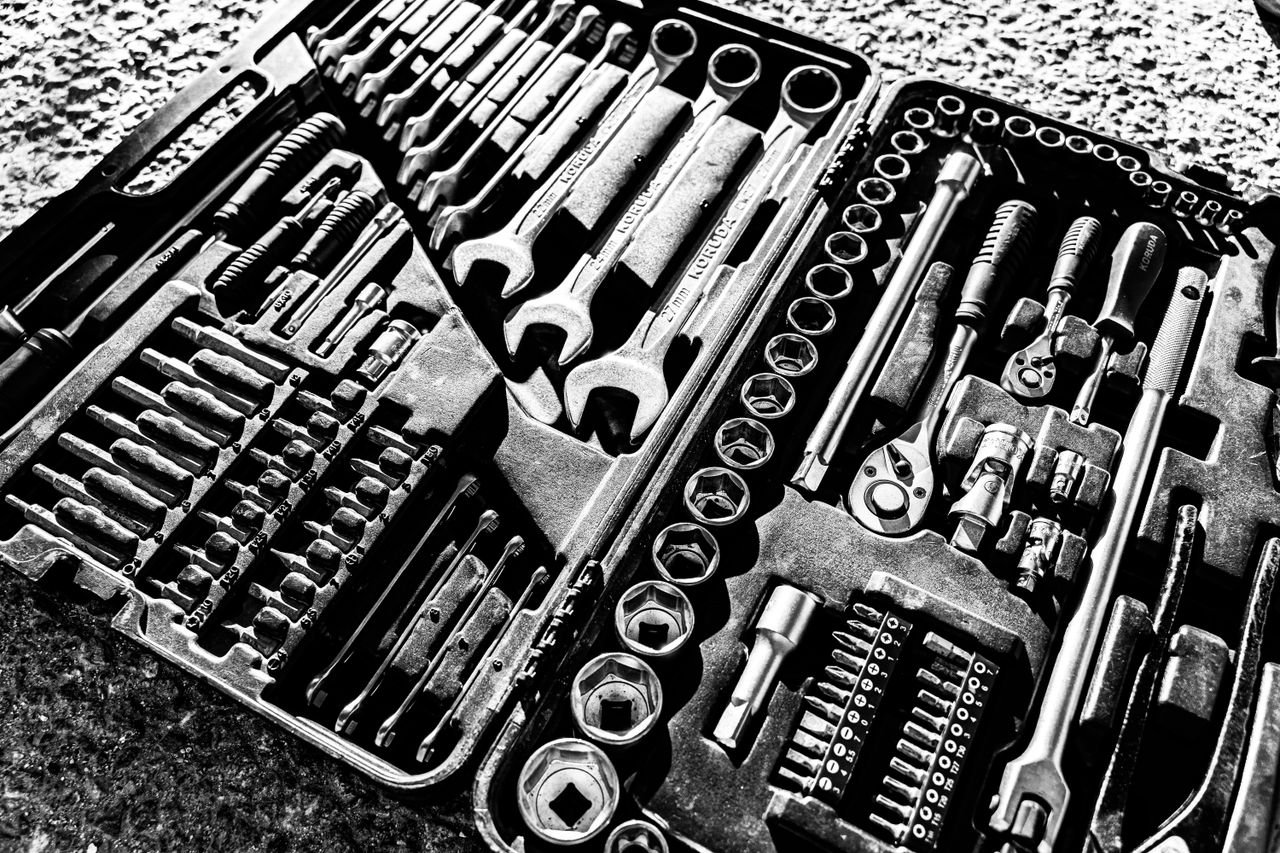
A Basic Tool Kit
If you’ve ever experienced a mechanical problem miles from the nearest town, you quickly learn that even a simple repair can end an adventure if you aren’t prepared.
A quality tool kit is one of the first things I pack and one of the last things I would ever remove.
During our Big Bear trip, our 2004 Mercedes ML350 developed an issue almost immediately after reaching camp when the upper radiator hose separated and covered the engine bay with coolant.
Fortunately, we had the tools to handle it.
It was a reminder that preparation often matters more than experience.
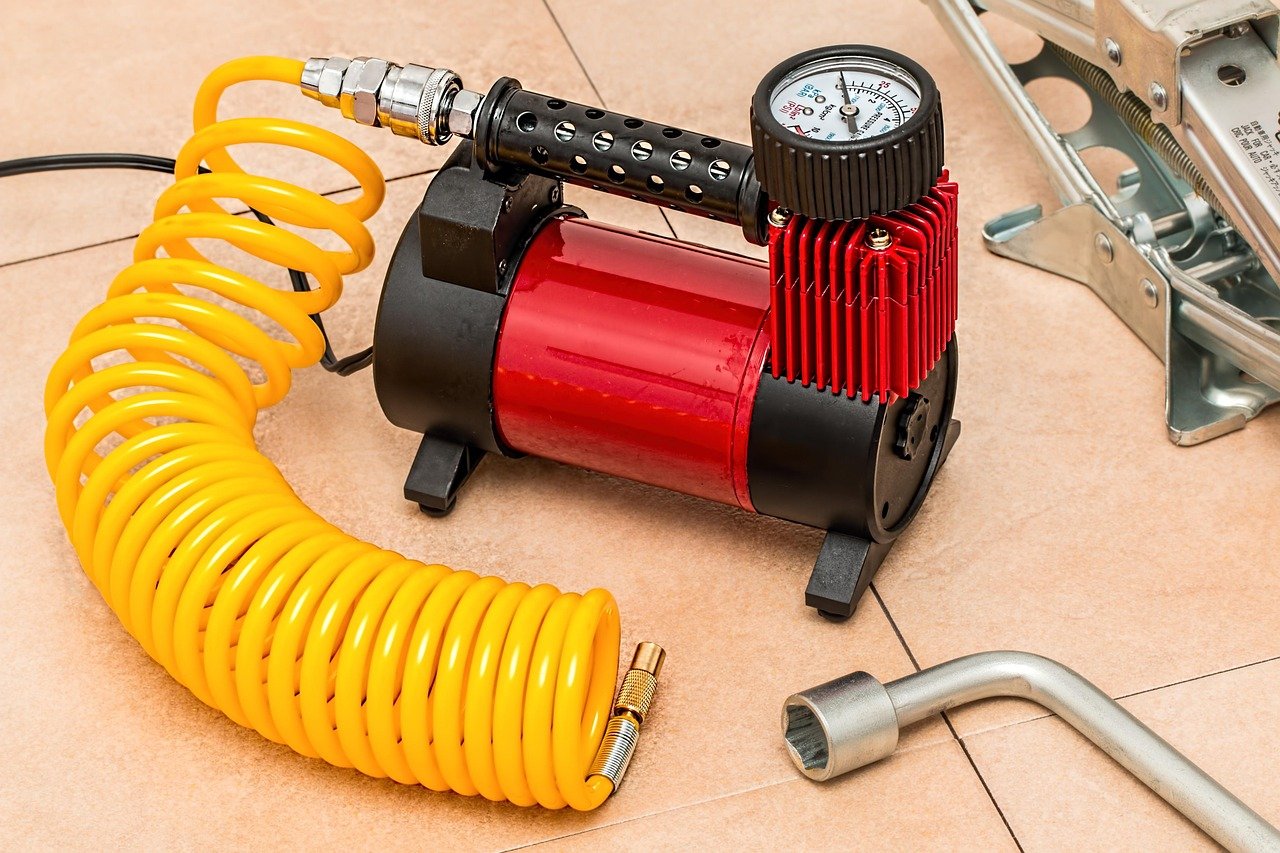
Portable Tire Inflator
Forest roads, changing terrain, and long highway drives make a portable air compressor one of the most valuable pieces of equipment I own.
Lower tire pressures can improve ride quality and traction on rough roads.
Before heading home, airing the tires back up helps restore proper handling and fuel economy.
It doesn’t get used on every trip, but when it does, I’m always glad it’s there.
First Aid Kit and Emergency Equipment
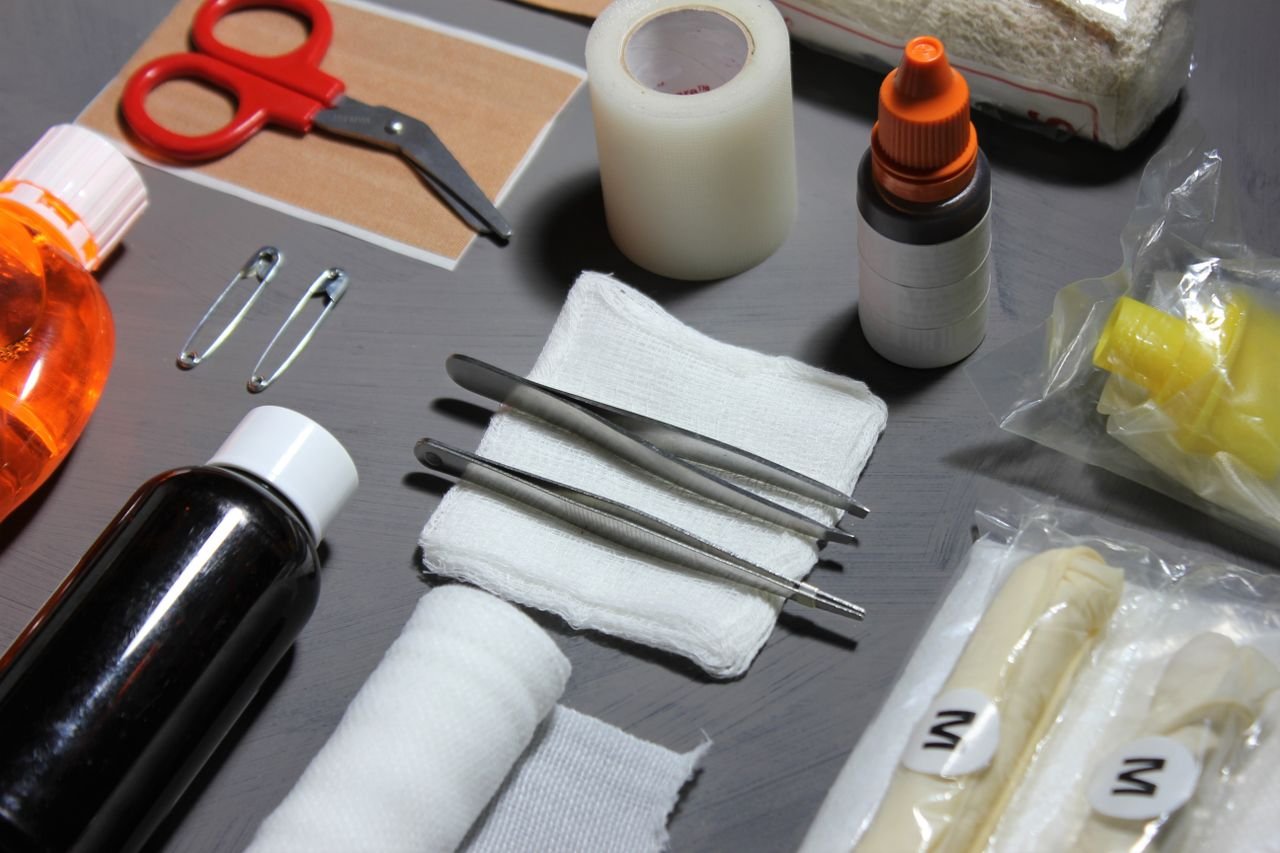
I never leave home without a stocked first aid kit.
Most trips won’t require it.
That’s exactly how I want it to stay.
Preparedness isn’t about expecting the worst.
It’s about respecting the outdoors enough to know unexpected things happen.
Alongside the first aid kit, I also carry an emergency SOS device for trips into areas with limited cell service.
Water
Water is one of those essentials that often gets overlooked until you suddenly don’t have enough.
Even when I’m not camping overnight, I keep extra drinking water in the vehicle.
It’s useful for staying hydrated, washing dirty hands, helping cool an overheating engine in an emergency, or simply making coffee at an unexpected scenic stop.
Recovery and Trail Tools
Nature has a way of reminding you who’s really in charge.
For that reason, I never head into the mountains without a few basic trail tools:
Machete
Axe
Shovel
They’re useful for clearing small branches, preparing a campsite, digging out a tire if needed, or safely managing a campfire.
Thankfully, they’ve spent more time riding than working.
I’d like to keep it that way.
Lighting
Darkness arrives quickly in the mountains.
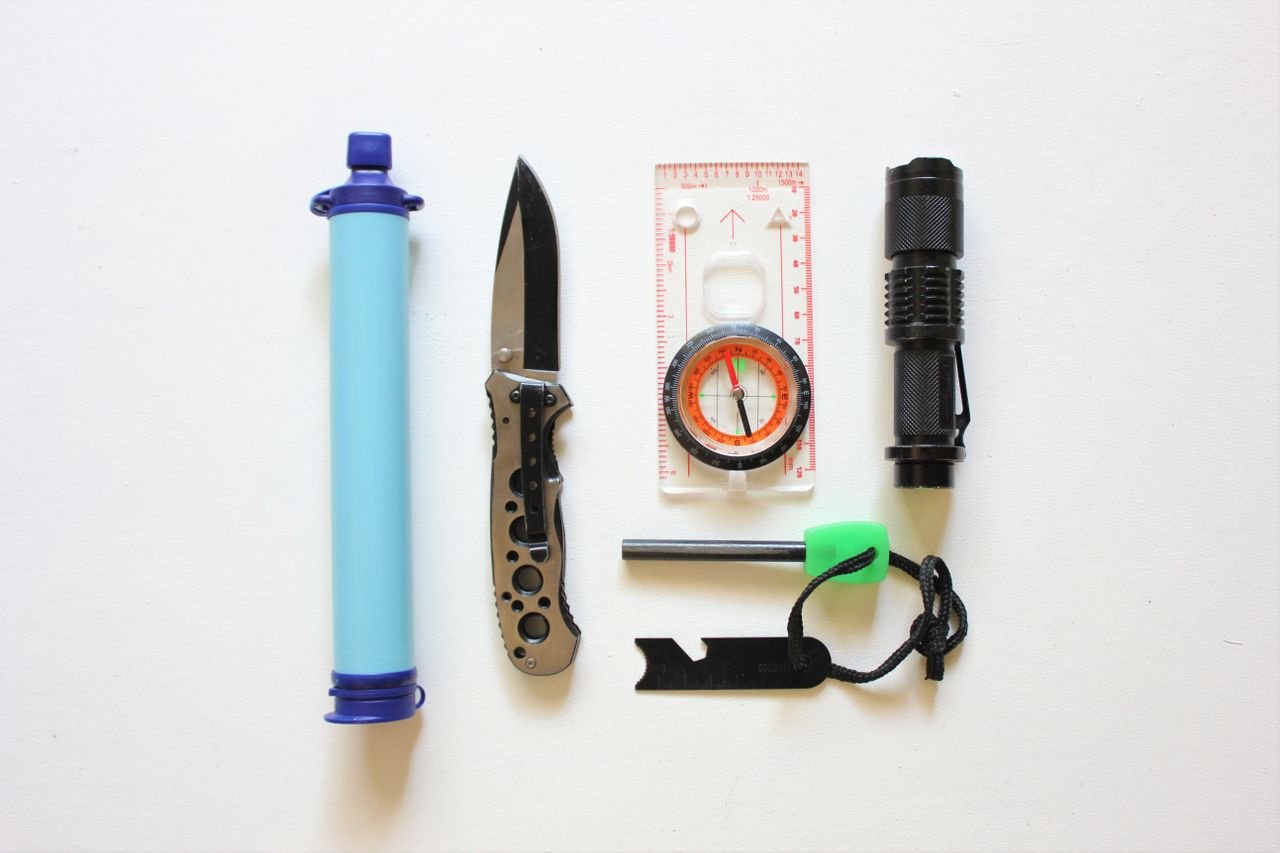
Having reliable flashlights means setting up camp, making repairs, or simply walking around after sunset becomes much easier.
They’re small, inexpensive, and one of those items you rarely regret bringing.
Recovery Starts Before You Need It
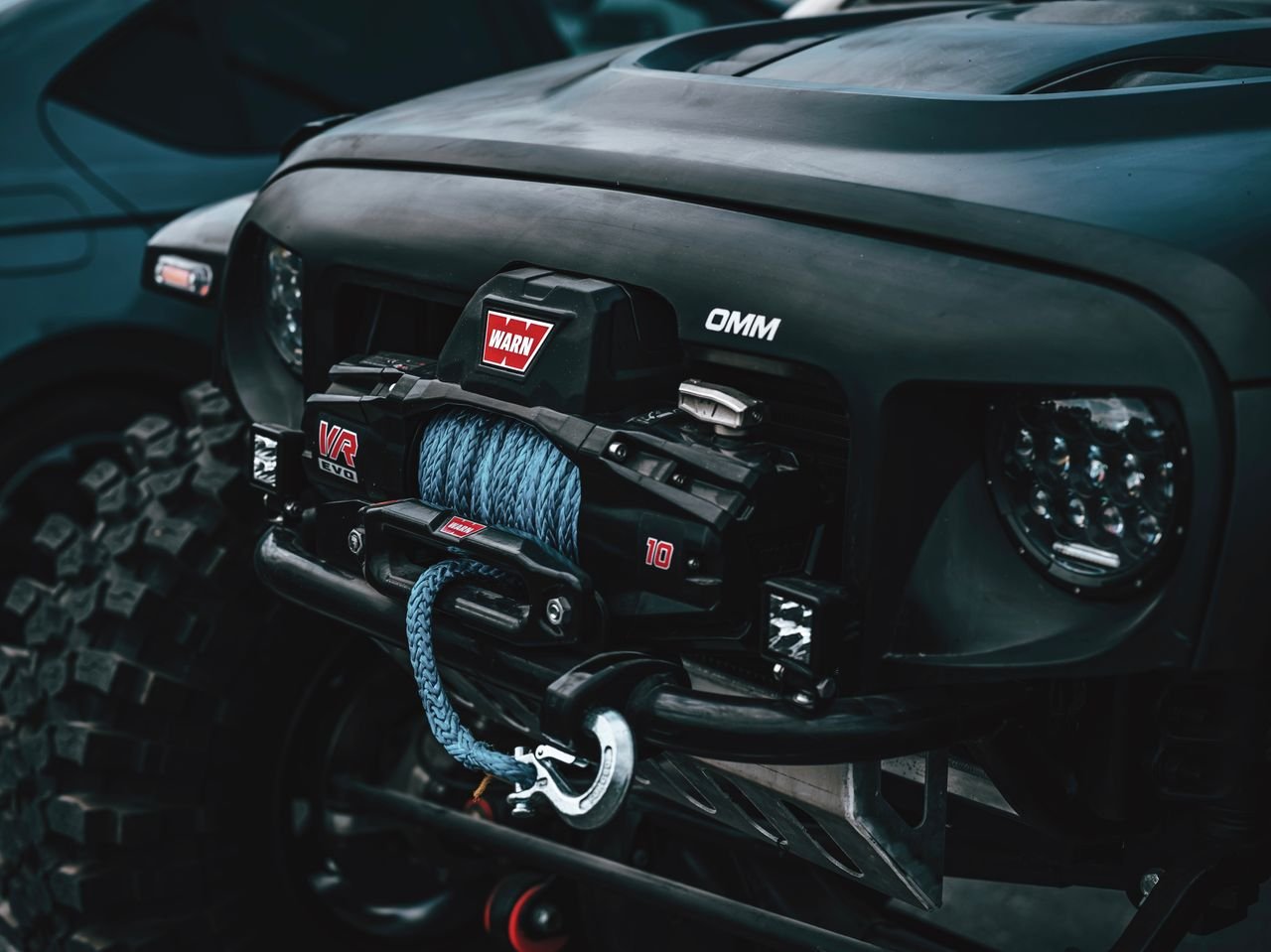
One lesson I’ve learned is that recovery equipment shouldn’t be packed only when you think you’ll need it.
By then, it’s too late.
The same goes for simple items like work gloves, extra towels, zip ties, and a flashlight with fresh batteries.
Individually they don’t seem important.
Together, they’ve solved more small problems than I can count.
My Philosophy on Vehicle Gear
One mistake I see often is believing that more equipment automatically makes you more prepared.
I don’t think that’s true.
I’d rather carry equipment that I understand how to use than fill every inch of storage with gadgets that never leave their packaging.
Every item in my vehicle has earned its place.
If something goes several trips without proving useful, I start asking whether it still deserves the space.
The goal isn’t to own more gear.
The goal is to carry the right gear.
Final Thoughts
Adventure has taught me that preparation creates freedom.
Knowing the essentials are already packed means fewer last-minute checklists, fewer forgotten items, and more time enjoying the places we’re actually trying to reach.
Every trip teaches me something new.
Every trip refines the list a little more.
And while the gear may continue to evolve, one thing probably never will:
I’d always rather have it and not need it than need it and wish I’d packed it.
When most people think about building an adventure vehicle, a 2001 Mercedes-Benz ML320 probably is not the first vehicle that comes to mind. The typical adventure builds are familiar: Toyota 4Runners, Jeep Wranglers, Land Cruisers, and pickup trucks with years of aftermarket support behind them. They are proven platforms with massive communities and endless options.…
One of the biggest misconceptions about overlanding is that you need an expensive vehicle, a fully built rig, and thousands of dollars in gear before you can start exploring. Scroll through social media long enough and it is easy to believe that every adventure vehicle needs a rooftop tent, custom suspension, oversized tires, a full…
Buying your first adventure vehicle is exciting. It is also easy to get overwhelmed. Spend a few minutes online and you will see beautifully built 4x4s with rooftop tents, oversized tires, custom bumpers, and enough gear to make it seem like adventure comes with a six-figure price tag. For someone just getting started, it can…
Scrolling through social media can make it seem like every weekend adventure starts with a fully built overland rig, thousands of dollars in camera gear, rooftop tents, and enough recovery equipment to cross the Sahara. The truth is, it doesn’t. Most adventures begin with whatever you already have parked in your driveway. One of the…