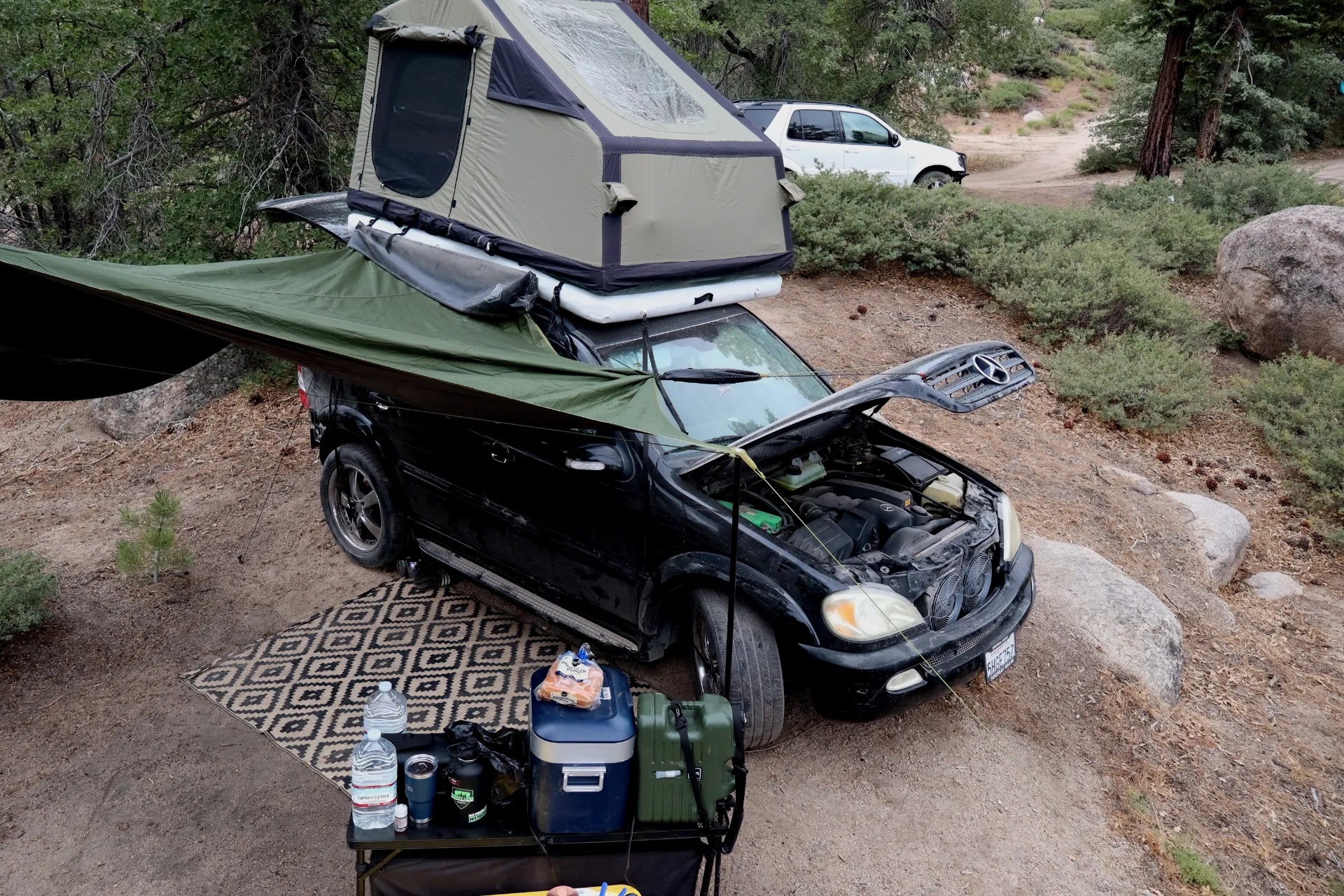
At first glance, offroading and overlanding may look like the same thing.
Both involve capable vehicles, dirt roads, exploring the outdoors, and leaving the pavement behind. Both communities share a passion for adventure, self-reliance, and discovering places that most people never see.
But while they often overlap, offroading and overlanding are built around different experiences.
One focuses on overcoming obstacles. The other focuses on the journey.
Understanding the difference can help you choose the type of adventure that fits your interests, your vehicle, and the way you want to explore.
What Is Offroading?
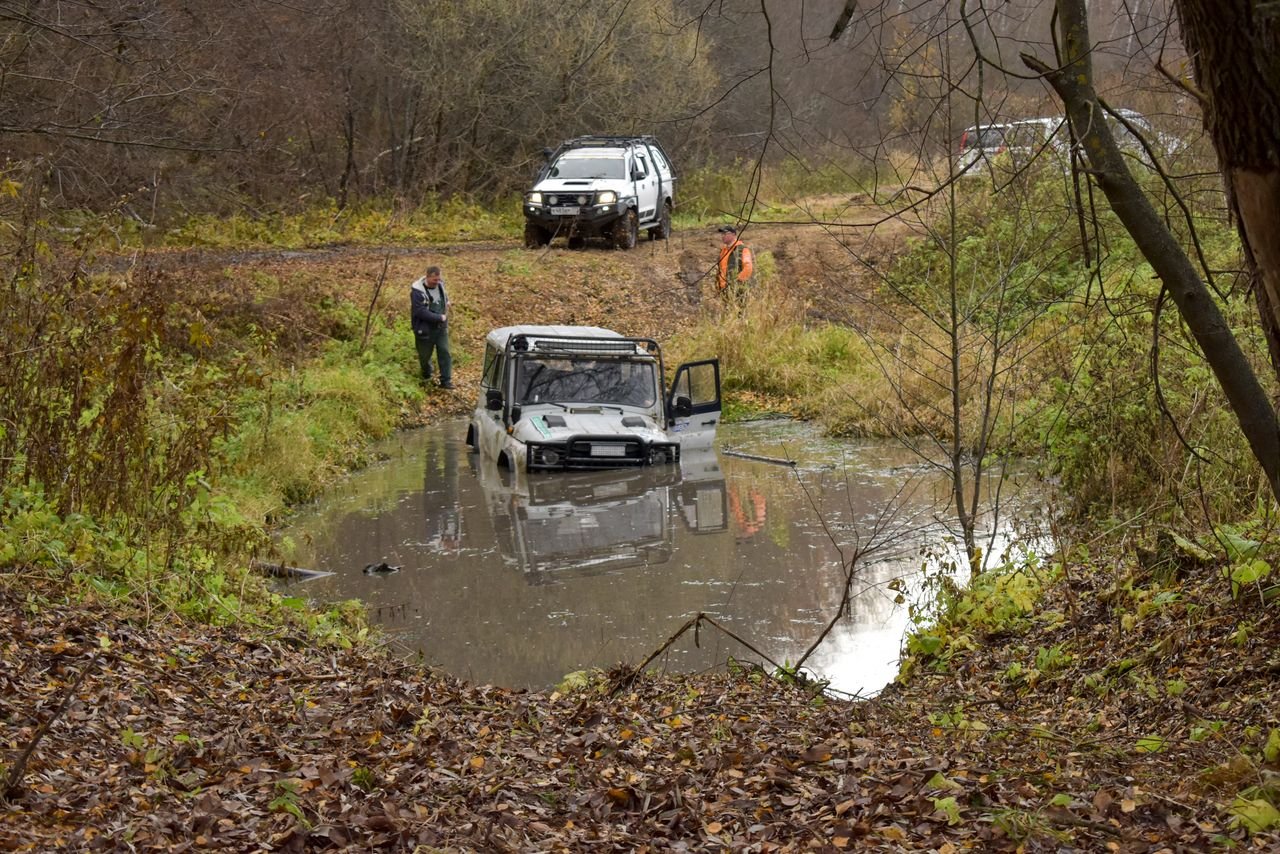
Offroading is the act of driving a vehicle on terrain that is not designed for normal road travel. The primary goal is often to test the vehicle, the driver, and their ability to navigate challenging obstacles.
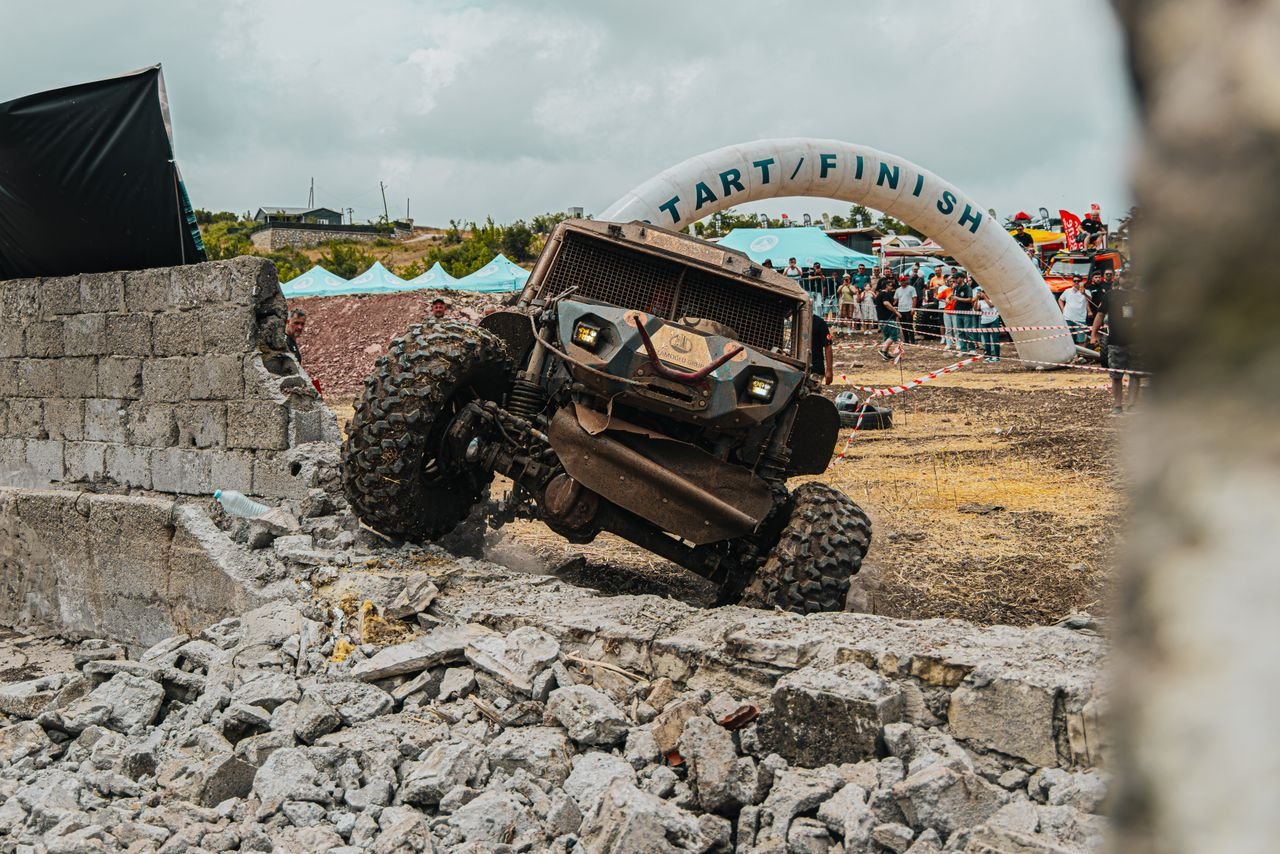
Offroad trails can include steep climbs, rocky sections, mud, sand, deep ruts, water crossings, and technical terrain that requires careful driving and specialized equipment.
For many offroad enthusiasts, the challenge itself is the adventure.
The excitement comes from choosing a difficult trail, improving driving skills, and pushing both themselves and their vehicles to overcome obstacles. Success might mean making it through a difficult section of trail, conquering a challenging route, or learning how to handle a vehicle in demanding conditions.
Offroading often involves:
Technical trails and difficult terrain
Vehicle capability testing
Rock crawling and obstacle navigation
Suspension and tire upgrades
Recovery equipment and trail preparation
Building driver skills
A capable vehicle can make offroading more enjoyable, but experience and decision-making are often just as important as the equipment.
What Is Overlanding?
Overlanding is centered around exploration and self-sufficient travel.
Instead of focusing primarily on difficult obstacles, overlanding is about traveling longer distances through remote areas and experiencing the places along the way.
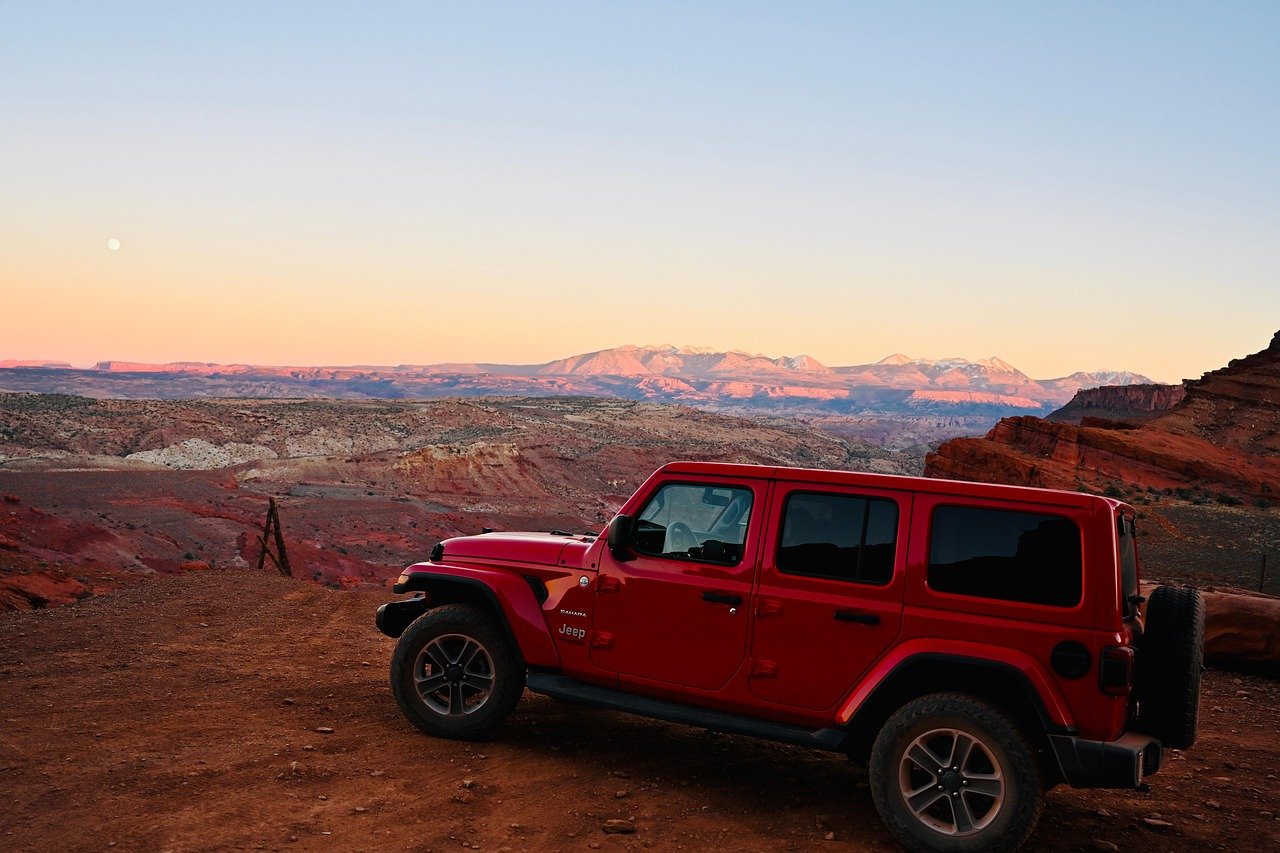
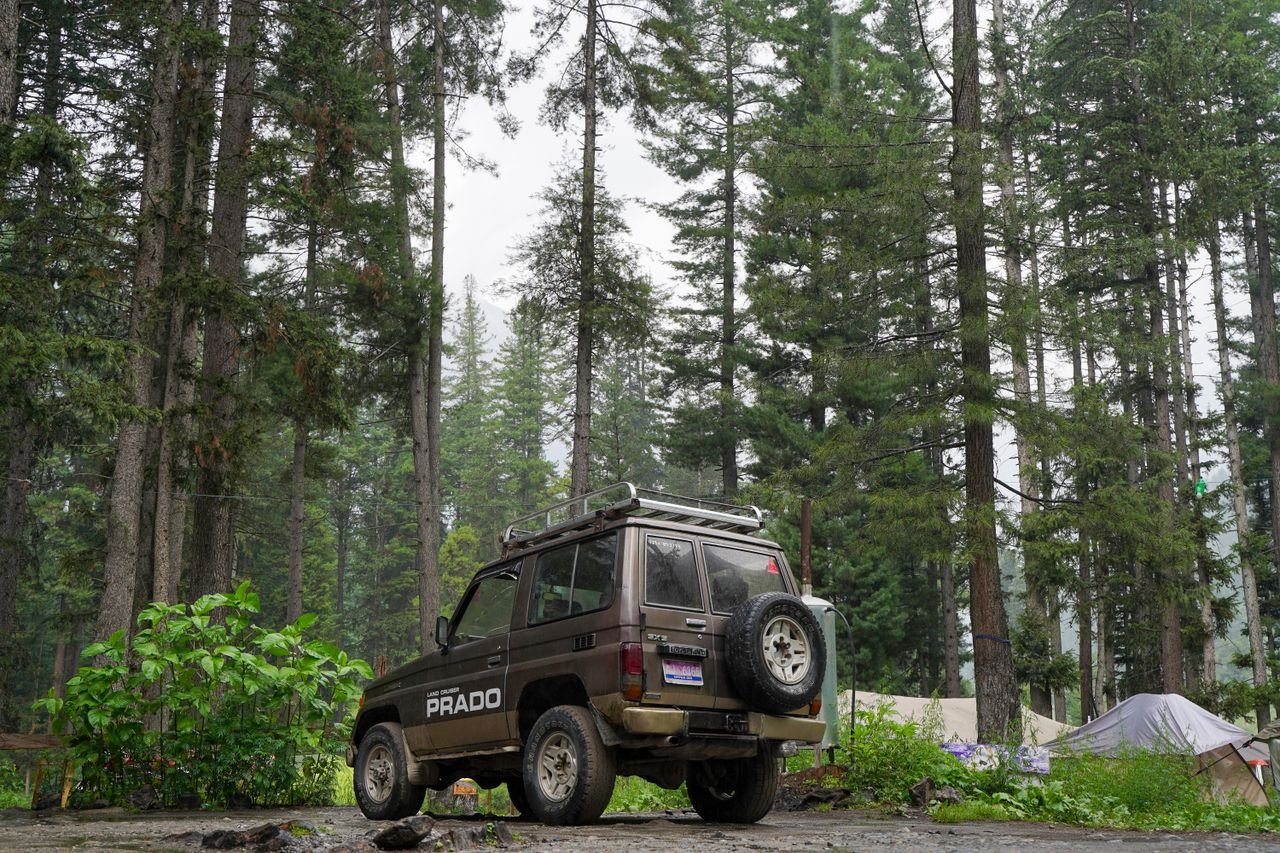
An overlanding trip might involve forest roads, desert tracks, mountain passes, and remote campsites. The goal is not necessarily to conquer the hardest trail, but to discover new places and spend more time outside.
The journey is the adventure.
Overlanding often involves:
Multi-day or extended trips
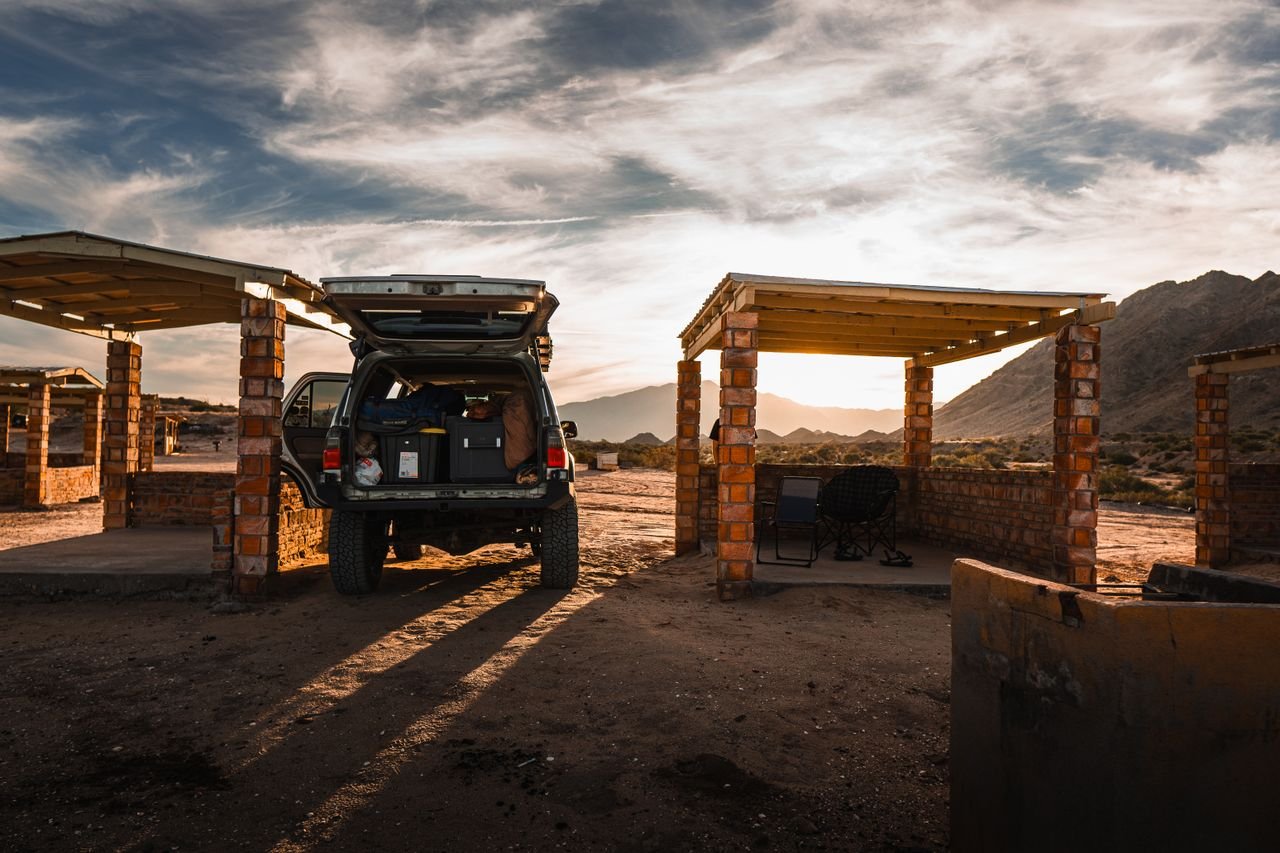
Camping and self-sufficient travel
Exploring remote destinations
Navigation and route planning
Cooking and living from your vehicle
Traveling through changing environments
A vehicle used for overlanding needs to be reliable, practical, and prepared for the conditions it may encounter. Capability matters, but dependability and comfort become equally important when you are miles away from home.
Where They Overlap
The line between offroading and overlanding is not always clear.
Many people enjoy both.
An overlander may encounter challenging terrain while reaching a remote campsite. An offroader may spend a weekend exploring trails and camping along the way.
The difference is usually the purpose of the trip.
If the main goal is reaching a difficult obstacle and testing vehicle capability, it leans more toward offroading.
If the main goal is exploring a route, experiencing new places, and spending time outdoors, it leans more toward overlanding.
Both styles of adventure can lead to incredible experiences.
You Don’t Need a Built Vehicle to Start
One of the biggest misconceptions about both offroading and overlanding is that you need an expensive, modified vehicle before you can begin.
The reality is that adventure starts with curiosity, not equipment.
Many people begin exploring with vehicles they already own. A stock SUV, truck, or crossover can travel farther than most people expect when driven responsibly and prepared properly.
A reliable vehicle, good tires, basic recovery equipment, navigation tools, water, food, and a willingness to learn will take you much farther than an impressive build sitting in the driveway.
The best adventure vehicle is often the one you already have.
Choosing Your Own Adventure
There is no right or wrong way to explore.
Some people love the challenge of difficult trails and building vehicles capable of handling extreme terrain. Others enjoy quiet mornings at remote campsites, exploring forgotten roads, and seeing where the trail leads.
Some enjoy both.
The important thing is understanding what you are looking for.
Do you want to test your vehicle and driving skills? Offroading may be your path.
Do you want to travel farther, explore more, and experience the places between destinations? Overlanding may be the better fit.
The Road Is the Destination
At their core, both offroading and overlanding come from the same desire: to explore beyond the ordinary.
They remind us that adventure does not always require a plane ticket or a distant destination. Sometimes it begins with turning onto an unfamiliar road and seeing what is waiting around the next corner.
Whether you are crawling over rocks, following a forest road, or camping miles away from the nearest town, the goal remains the same.
Get outside. Explore more. Create stories worth remembering.
Because the best part of the journey is often the road itself.
Building an adventure vehicle is not only about what happens outside the vehicle. The bumpers, tires, lights, and trail upgrades might be the first things people notice, but the interior is where you spend the most time. Whether you are driving several hours to reach a trail, spending a night camping, or simply using the…
A vehicle sitting in a driveway tells a story about what it is. A vehicle sitting on a trail tells a story about where it has been. There is something different about seeing a vehicle surrounded by the environment it was built to explore. A dusty trail, a mountain overlook, a forest road, or a…
At first glance, offroading and overlanding may look like the same thing. Both involve capable vehicles, dirt roads, exploring the outdoors, and leaving the pavement behind. Both communities share a passion for adventure, self-reliance, and discovering places that most people never see. But while they often overlap, offroading and overlanding are built around different experiences.…
One of the questions I hear most often after sharing camping photos is surprisingly simple: “What gear do you actually bring?” The answer isn’t a truck overflowing with expensive equipment or every gadget marketed toward overlanders. Over time, we’ve learned that successful dispersed camping isn’t about packing more—it’s about packing smarter. Every item we bring…